
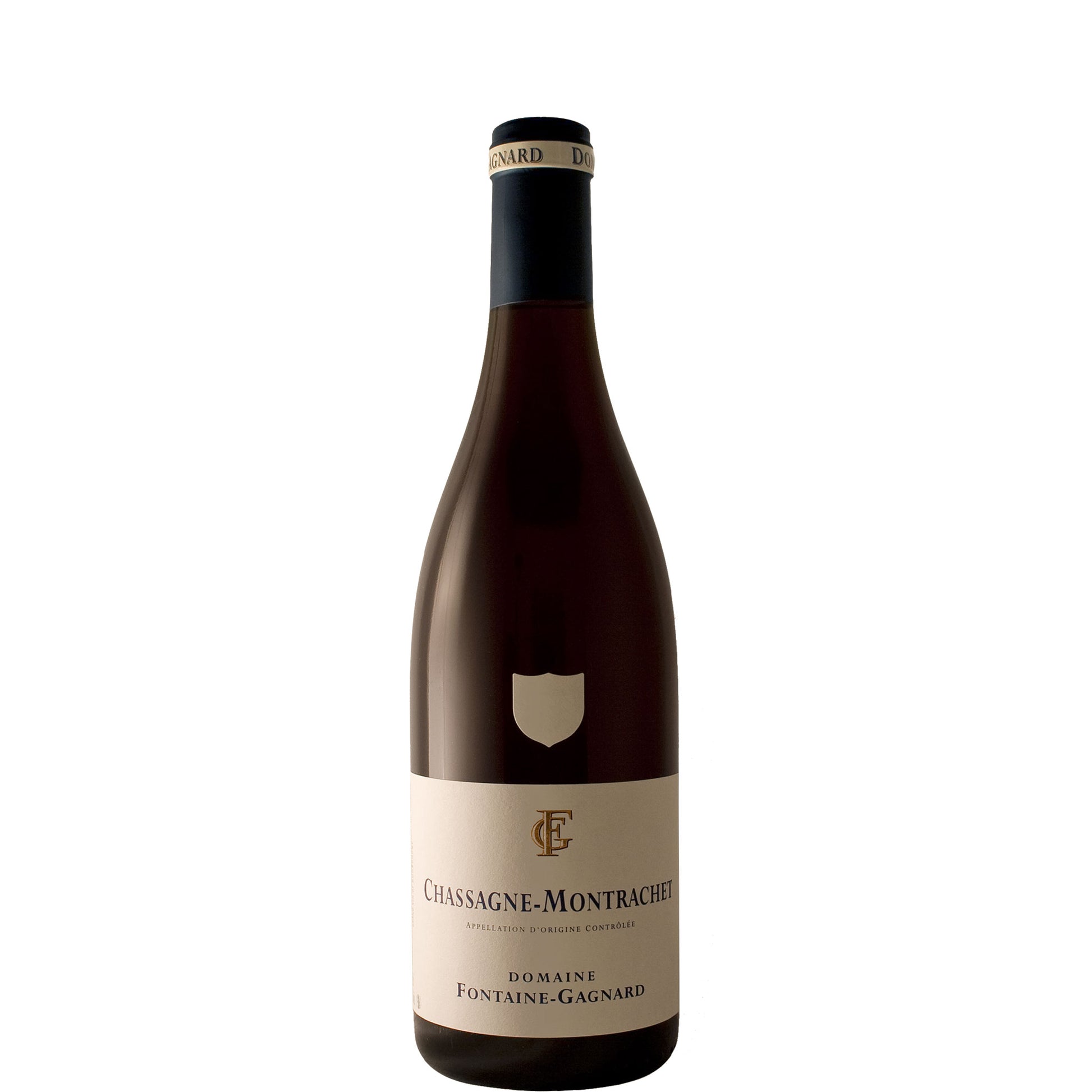
Chassagne-Montrachet Rouge, Domaine Fontaine-Gagnard, 2019
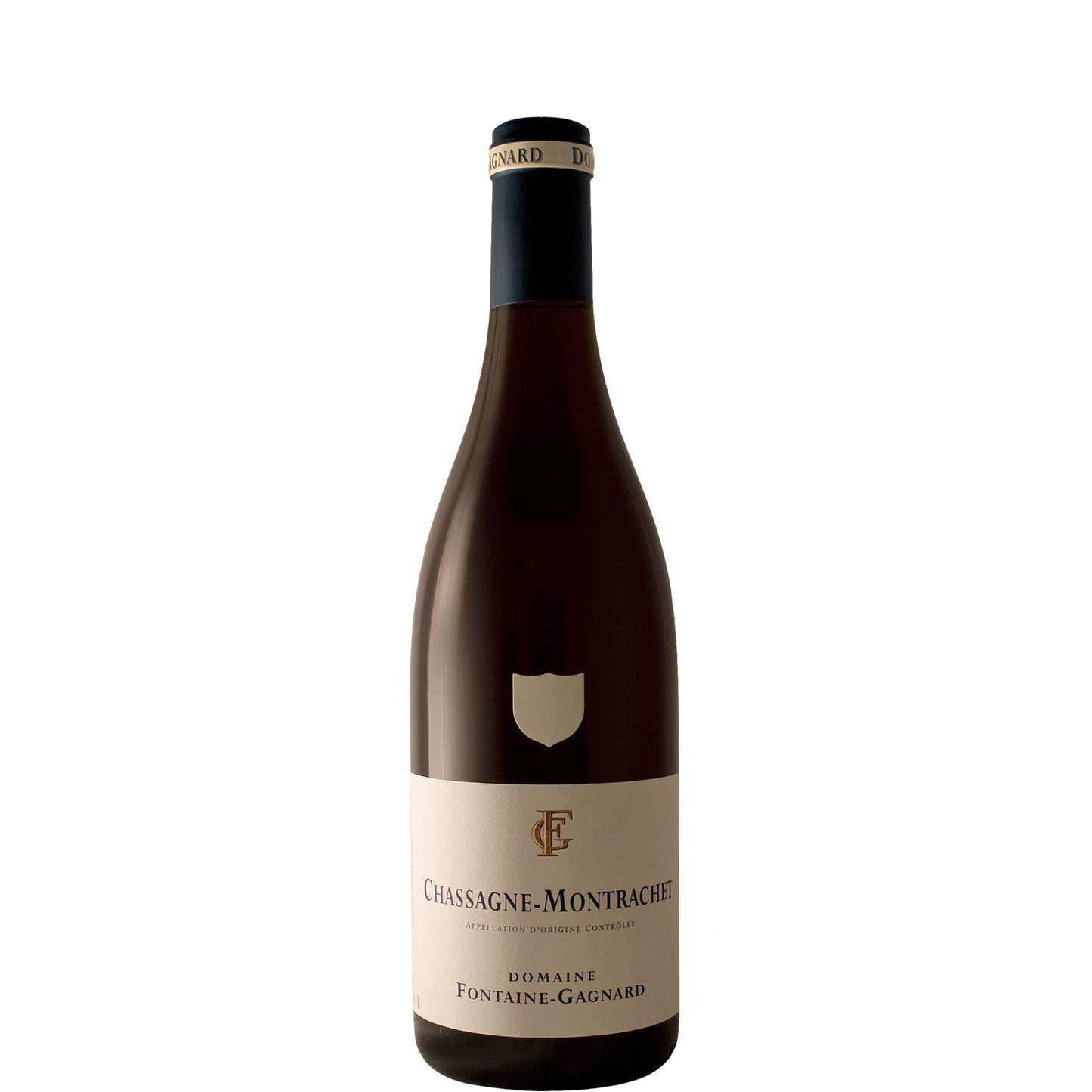
Chassagne-Montrachet Rouge, Domaine Fontaine-Gagnard, 2019
- 75cl
- 13%
- Red Still
- Pinot Noir
- Organic
Couldn't load pickup availability

Optimal drinking window: Now - 2035
About Chassagne-Montrachet Rouge, Domaine Fontaine-Gagnard, 2019
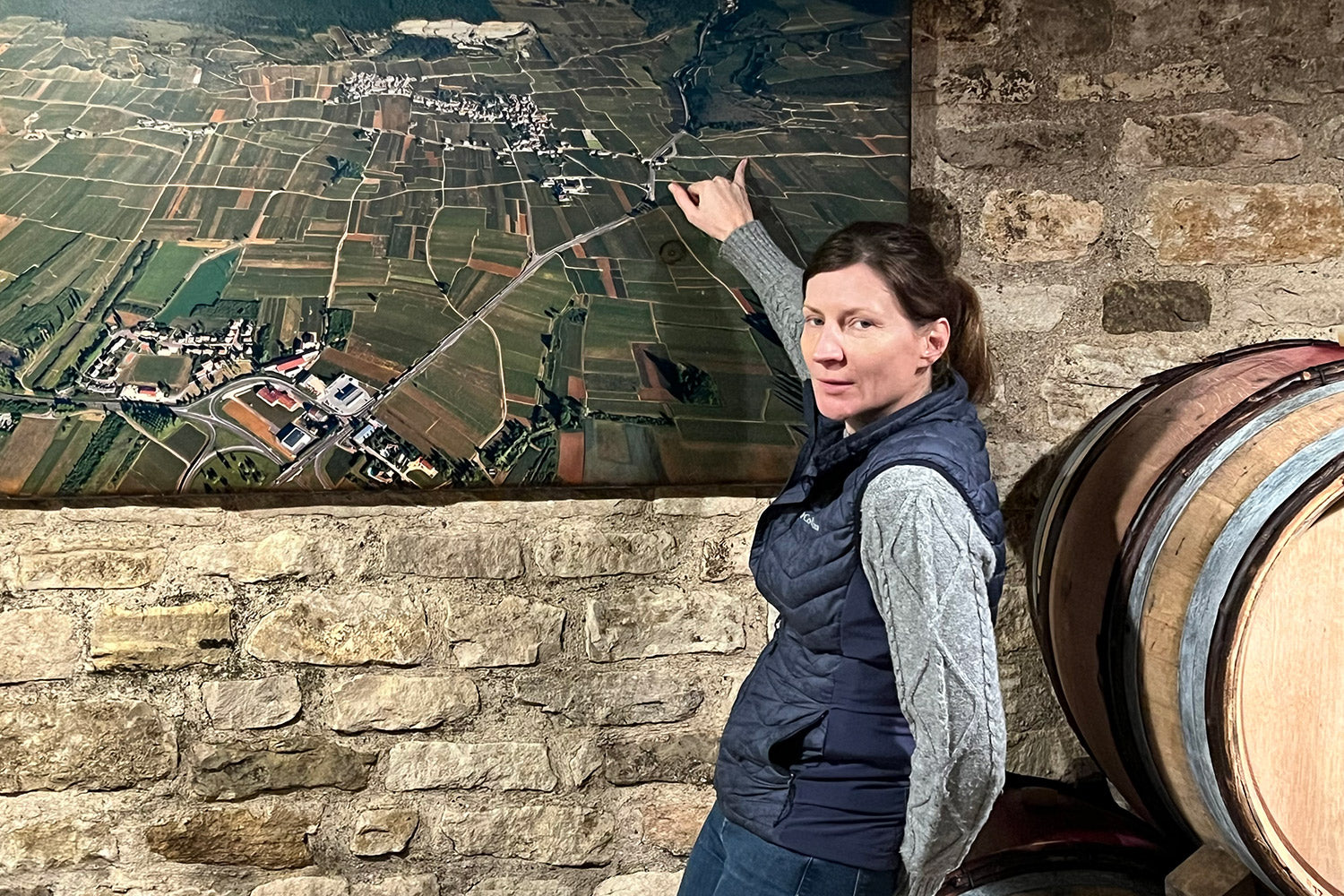
Domaine Fontaine-Gagnard is new to our offering this year and what a year to bring them in. This Domaine that covers a huge range of villages specialises in whites and over the past decade have raised their stock exponentially.
The wines have a clear purity and minerality as well as a lovely weight and richness of fruit. The focus and precision is what makes them really stand out and with Céline Fontaine and her husband Fred Robert (formerly of Armand Rousseau) at the helm, you best keep a close eye on how high this Domaine will climb!
What the critics say:
"The 2019 Chassagne-Montrachet Rouge was showing a bit of reduction on the nose when I tasted it. The palate is medium-bodied with dark berry fruit, quite striking in terms of mineralité with impressive clarity and focus on the silky finish. Lovely. "
"Subtle but perceptible wood floats in the background of the more deeply pitched aromas of plum, earth and a pepper nuance. The round and velvet-textured medium weight flavors possess a caressing mid-palate that contrasts slightly with the dusty and youthfully austere finish that flashes just a touch of rusticity. I like the depth, and this is a quality Chassagne villages. 'Outstanding ♥' 'Top value'"
Tasting Notes
AppearanceMedium ruby with a bright, clear core and hints of garnet at the rim.
NoseInitially showing some reduction that blows off to reveal dark plum and earth-driven aromas. There's a subtle pepper nuance and gentle wood integration that adds complexity without overwhelming the fruit. The minerality that Fontaine-Gagnard is known for comes through clearly.
PalateMedium-bodied with lovely weight and a caressing, velvet-textured mid-palate that flows beautifully. The dark berry fruit shows impressive clarity and focus, supported by dusty tannins that add structure without being harsh. There's a slight contrast between the round, generous middle and the more austere, youthfully tight finish.
FinishSilky and mineral-driven with impressive length and a touch of rusticity that speaks to the wine's youth.
Overall impressionA quality Chassagne villages that demonstrates real depth and the precision this domaine is becoming known for.
Food Pairings
In Burgundy, this style of Pinot Noir pairs naturally with the region's rustic cuisine. Think coq au vin made with the same wine, or beef bourguignon where the silky texture complements the slow-braised meat. The locals would also serve this with wild boar terrine, roasted guinea fowl with herbs, or the region's famous époisses cheese. The wine's mineral backbone and dusty tannins make it particularly good with mushroom dishes—perhaps a simple sauté of cèpes or a rich mushroom risotto.
We think this wine would go well with
Serve at 15-16°C to allow the fruit and mineral complexity to shine without the tannins dominating. A gentle decant of 30-45 minutes will help integrate the youthful elements and allow the wine to show its best. Use Burgundy glasses with a wide bowl to concentrate the delicate aromatics. If drinking young, open an hour before serving to let it breathe.
Chassagne-Montrachet's village-level vineyards sit on varied soils of limestone, clay, and marl, typically at mid-slope positions. The clay content provides structure and depth to the Pinot Noir, while limestone bedrock delivers the mineral backbone that defines great Burgundy. The slightly warmer microclimate of Chassagne compared to its northern neighbours allows for full ripening while maintaining the region's hallmark elegance.
Chassagne-Montrachet is famous primarily for its white wines, but the village-level reds often represent exceptional value in Burgundy. The appellation covers both the prized hillside vineyards and flatter sites, with village wines blending fruit from various parcels to create wines of immediate appeal. Unlike the more austere reds from Gevrey or Chambolle, Chassagne Rouge tends to show a rounder, more approachable style while still delivering genuine Burgundian character.
The 2019 vintage in Burgundy delivered exactly what vignerons needed after a string of challenging years: a textbook growing season that let the grapes ripen slowly and evenly. Spring arrived gently, summer stayed warm without punishing heat spikes, and crucially, September brought those cool nights that preserve acidity whilst allowing full phenolic ripeness. We find ourselves talking about 2019 as one of those vintages where nature simply cooperated, giving winemakers healthy fruit with natural balance rather than forcing them to correct for extremes in the cellar.
What emerged are Burgundies with remarkable freshness married to genuine depth—the Pinot Noirs show that silky texture and bright red fruit character that makes great Burgundy so compelling, whilst the Chardonnays have both the mineral backbone and subtle richness that age beautifully. The quality runs impressively deep across all appellations, from village wines that drink like premier crus to grand crus that remind you why Burgundy commands such devotion. These wines are drinking beautifully now if you fancy them young and vibrant, though we suspect the better bottles will reward patience well into the 2030s.
FAQs
What does this wine taste like?
Silky and elegant with dark plum flavours, earthy minerality, and dusty tannins that give it structure without being heavy. There's a lovely precision and focus that makes it distinctly Burgundian.
What food pairs well with this wine?
Classic Burgundian dishes like coq au vin or beef bourguignon work beautifully, but it's also lovely with roasted poultry, mushroom dishes, or soft cheeses. The mineral character makes it particularly good with earthy flavours.
How should I serve this wine?
Serve at cellar temperature (15-16°C) and give it 30-45 minutes in a decanter if drinking now. Use proper Burgundy glasses to concentrate the delicate aromatics.
How does this compare to other Burgundy reds?
Chassagne Rouge tends to be more approachable than wines from the Côte de Nuits, with rounder tannins and generous fruit. This example shows the mineral precision that makes great Burgundy special, but at a more accessible price point than premier or grand cru wines.
Explore related wines


What are you looking for tonight? Tell me the occasion, a grape, a region — or just try a suggestion below.
Your recommendations will appear here.

-
-
Speak to one of our Wine Gurus
Speak to a Wine GuruWith years of experience, our team can help you with all your wine buying and selling needs