

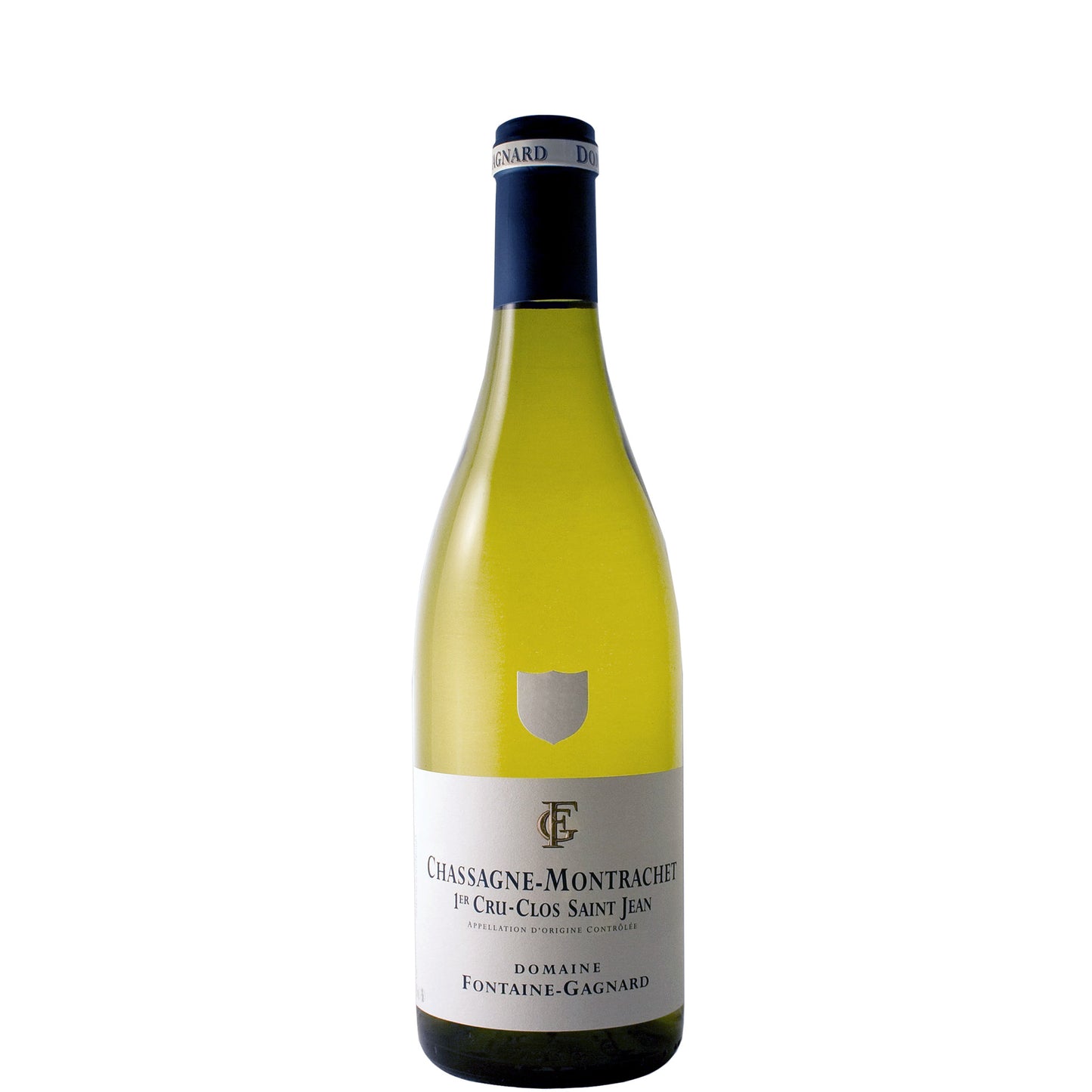
Chassagne-Montrachet Premier Cru 'Clos Saint Jean', Domaine Fontaine-Gagnard, 2024
Chassagne-Montrachet Premier Cru 'Clos Saint Jean', Domaine Fontaine-Gagnard, 2024
- 75cl
- 13%
- White Still
- Chardonnay
- Organic
Couldn't load pickup availability

Optimal drinking window: 2026 - 2037
"Rounded and expressive, showing citrus, apple pie and a slightly leafy note. Approachable, with a softer finish and attractive aromatics."
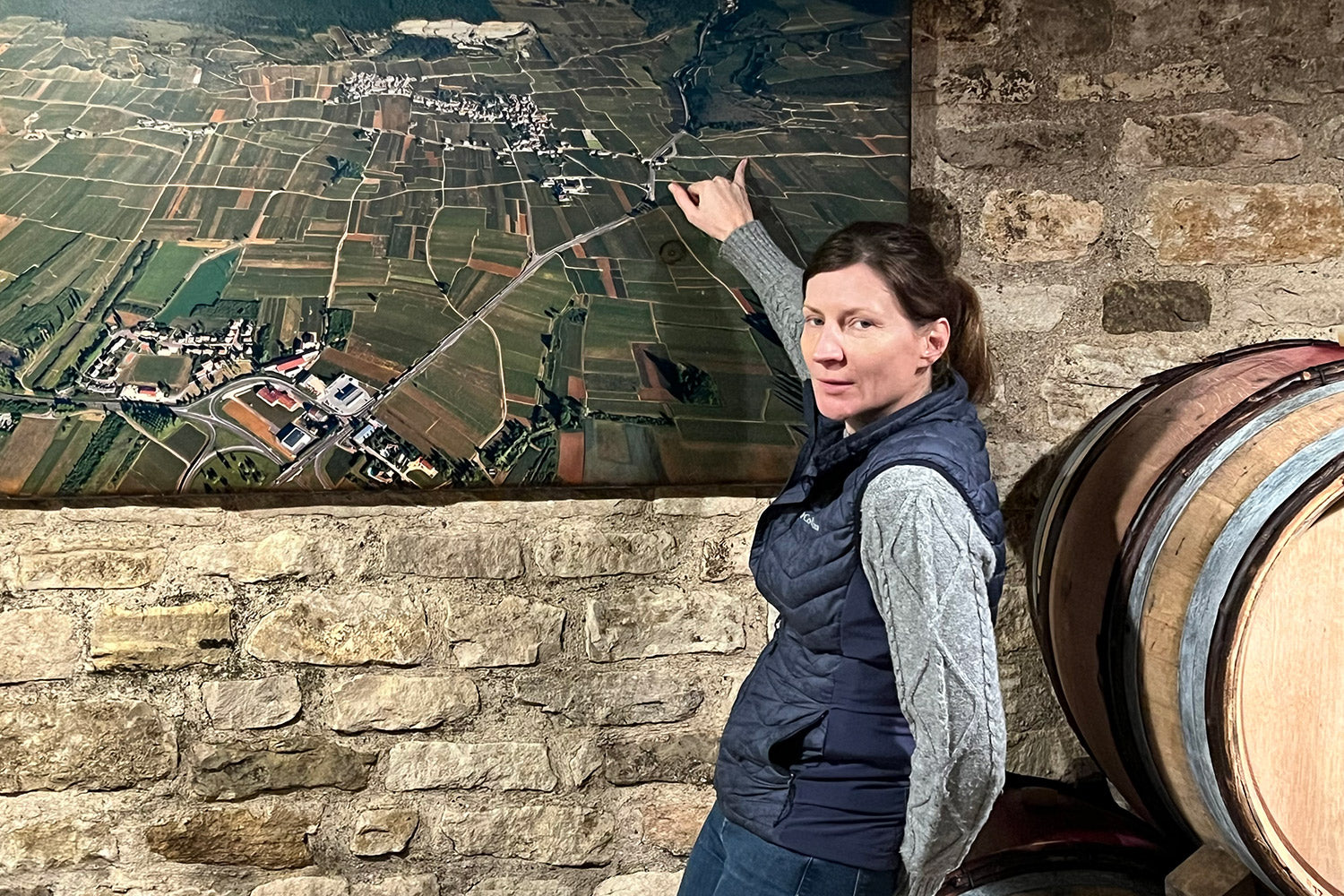
Ksenia Pashkova, Club Merchandiser
Fontaine-Gagnard is one of Chassagne’s great traditionalists, quietly producing some of the appellation’s most complete and age-worthy wines. Farming is resolutely old-school rather than dogmatic, with a focus on balance, density and longevity over fashion. In 2024, that restraint mattered.
The vintage was hard work. High mildew pressure, early harvest beginning on 22 August, and naturally low yields around 35 hl/ha for whites and 30 for reds. A hot August pushed ripeness quickly, but September brought dilution and freshness back into play, finishing around pH 3.3–3.4. The result is a vintage of crunchy acidity, dense fruit and classical proportions, more ripe than 2013, closer in spirit to 2010, though Burgundy has changed too much for lazy comparisons. Oak remains measured at around 20% for village wines and 30% for premiers and grands crus.
Clos Saint Jean is the kind of premier cru that rewards those willing to look beyond the village's most hyped parcels. It sits on the southern end of the appellation, where the soils carry more limestone and the wines tend towards precision and length rather than immediate generosity.
Domaine Fontaine-Gagnard is one of Tim Atkin's 2024 Top 10 Côte de Beaune White Wine Producers.
Right now the 2024 is tightly coiled, its primary fruit and mineral character still somewhat locked together. From around 2028 the wine should start to find its voice, with stone fruit beginning to integrate with developing notes of toasted hazelnut, beeswax, and that characteristic Chassagne savouriness. The plateau — where everything is singing in harmony — is likely to run from around 2030 to 2035, when the wine will have the richness of age without losing the freshness that makes it special. Beyond 2036 it may begin to soften and mellow, and by 2038 you'd want to have finished the last bottle.
What the critics say:
"These are young vines that tend to ripen early, and what a pretty wine they have made! A hint of struck match mixes with peach pit, nectarines, pluots and whole wheat toast. Zesty acidity on the light-ish body give this terrific freshness. This should drink well early on."
Tasting Notes
AppearancePale gold with a green-silver tint, clear and bright in the glass.
NoseWhite peach and pear blossom lead, then a cooler, more mineral note comes through — wet limestone, chalk dust, a squeeze of lemon zest. There's a subtle vanilla underpinning from oak that sits quietly in the background rather than announcing itself.
PalateThe texture is sleek and precise rather than broad, with tight-grained acidity giving the wine real focus. Green apple and ripe pear flesh sit alongside that persistent stony quality, with a faint almond and hazelnut character developing mid-palate. It's restrained in the best possible sense.
FinishLong, saline, and mineral, with a lingering citrus peel note that keeps things fresh and inviting.
Food Pairings
In Burgundy, a wine like this would most naturally find itself at the table alongside a classic poulet à la crème — roast chicken finished with cream and a splash of white wine, the kind of dish that lets the wine's acidity do its work without competing with it. A gratin dauphinois, rich with potato and cream but with a golden, slightly crisp top, is another local favourite that pairs wonderfully with the wine's textural precision. River fish is another natural partner; a quenelle de brochet with sauce Nantua, traditional in the broader region, would be outstanding. Closer to the village itself, a simple plate of Époisses or Comté — the latter especially — is the kind of effortless local pairing that makes you wonder why you ever overthink these things.
We think this wine would go well with
Serve at 11-13°C — cold enough to keep the acidity lively, warm enough to let the wine's texture and complexity open up in the glass. There's no need to decant, but giving it 20-30 minutes in a wide-bowled white Burgundy glass will help it open up considerably. A Burgundy-style glass with a wider bowl than a standard white wine glass is worth seeking out here — it makes a real difference to how the wine's more restrained aromatic character expresses itself.
Clos Saint Jean is one of Chassagne-Montrachet's larger premier cru lieux-dits, sitting on the southern, more gently sloping part of the appellation. The soils here are predominantly limestone and marl, with less topsoil than the steeper mid-slope sites, which encourages the vines to root deep and find their own water. This tends to produce wines with a mineral backbone and good natural acidity rather than the broader, richer texture you find further north towards Puligny. Elevation sits at roughly 250-320 metres, enough to maintain freshness even in warmer years.
Chassagne-Montrachet is the southernmost of the three great white Burgundy villages on the Côte de Beaune, sitting between Puligny-Montrachet to the north and Saint-Aubin to the south. It shares the grand cru vineyards of Montrachet, Bâtard-Montrachet, and Criots-Bâtard-Montrachet with its neighbour Puligny, though the village is arguably better known for the sheer quality of its premier crus. Where Puligny tends towards purity and tension, Chassagne often offers a little more weight and texture, though the finest parcels — Clos Saint Jean among them — split the difference. The appellation also produces red Burgundy from Pinot Noir, though it's the whites that command the most attention and the highest prices.
The 2024 growing season in Burgundy was, frankly, a test of nerve. A wet spring brought significant mildew pressure, and vignerons who stayed sharp in the vineyard — working fast, keeping canopies open, reducing yields where necessary — came out the other side with something worth talking about. Summer brought warmer, drier conditions that helped the fruit recover composure, and harvest arrived broadly on the later side, with growers picking carefully to find phenolic ripeness without sacrificing freshness. Quantity was down across much of the Côte, which concentrates minds as much as it concentrates wine.
What emerged is a vintage that rewards those who put the work in. The Pinots we have tasted carry real precision and translucency — not because they are light, but because the acidity is lively and the fruit unforced. Chardonnays from the Côte de Beaune look particularly promising: taut, mineral, with genuine length. This is not a vintage to panic-open. Most village and premier cru reds want three to five years at minimum, with the better appellations drinking well until 2035 and beyond. The whites are more approachable now, though the best will reward patience too.
FAQs
What does this wine taste like?
Taut and mineral, with white peach, pear, crushed limestone, and a saline edge. There's a restrained nuttiness from carefully used oak, but this is ultimately a wine defined by precision and length rather than richness or generosity.
What food works best with this wine?
Classic Burgundian fare: roast chicken with cream sauce, a fine Comté, river fish, or a gratin dauphinois. The wine's natural acidity and mineral character mean it handles richness well without being overwhelmed by it.
How should I serve it?
Serve at 11-13°C in a wide-bowled white Burgundy glass. No need to decant, but 20-30 minutes in the glass before drinking makes a noticeable difference to how it opens up.
Is Clos Saint Jean a good premier cru?
Very much so. It's one of Chassagne-Montrachet's larger premier cru sites and often overlooked in favour of smaller, more fashionable parcels, which is precisely why it offers good value relative to the quality in the glass. Fontaine-Gagnard's parcel is particularly well-regarded.
How does this compare to wines from Puligny-Montrachet?
The two villages share the same grand crus but have distinct characters. Puligny tends to be more tightly wound and citrus-driven, while Chassagne — and Clos Saint Jean in particular — often has a little more weight and a broader, more stony mineral quality. Neither is better; they're simply different conversations.
Explore related wines


What are you looking for tonight? Tell me the occasion, a grape, a region — or just try a suggestion below.
Your recommendations will appear here.
-
-
Speak to one of our Wine Gurus
Speak to a Wine GuruWith years of experience, our team can help you with all your wine buying and selling needs