

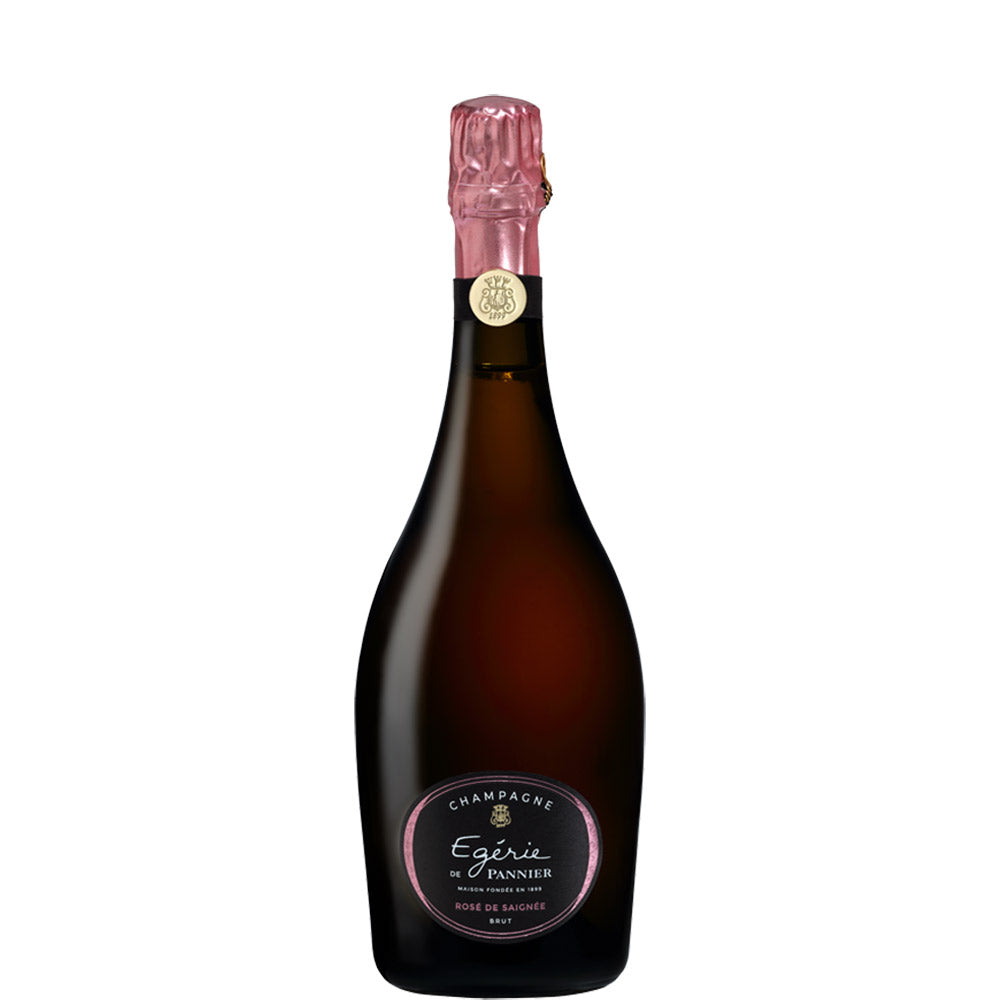
Champagne Egérie de Pannier, Rosé de Saignée Brut, Nv
Champagne Egérie de Pannier, Rosé de Saignée Brut, Nv
- 75cl
- 12%
- Rosé Sparkling
- Pinot Noir, Chardonnay
Couldn't load pickup availability

Optimal drinking window: 2026 - 2032
The Égérie de Pannier Rosé de Saignée Brut NV from Champagne Pannier is a copper-pink Champagne made using the rare saignée method — a short maceration on the skins of Pinot Noir before the juice is “bled” off. It’s composed of approximately 80% Pinot Noir and 20% Chardonnay, and is aged for a minimum of nine years.
On the nose, expect ripe red-and-black fruits mingled with a delicate floral lift. The palate brings generous fruit weight, fine texture and richness, balanced by fresh acidity and a graceful minerality, leading to a long, refined finish.
Champagne Pannier was founded in 1899 and is based in Château-Thierry in the Vallée de la Marne. Its historic medieval chalk cellars date back to the 12th century, giving the wines a cool and slow maturation environment.
With nine-plus years already on the lees before release, the primary fruit is already well integrated and the wine is drinking beautifully now. Over the next two to three years, the cherry and blackcurrant will deepen further into dried fruit and the pastry notes will become more pronounced. By 2029-2030 it should be at or near its peak, when the fruit, acidity, and mineral backbone are all singing together. Hold beyond 2032 and you risk the freshness fading faster than new complexity can replace it — this is a wine to drink with confidence in the near term, not to squirrel away indefinitely.
Tasting Notes
AppearanceDeep copper-pink with a fine, persistent bead.
NoseRipe cherry, blackcurrant, and a hint of dried rose petal open things up, giving way to a faint pastry warmth from the extended lees age. There's a cool, chalky quality underneath that keeps everything focused rather than opulent.
PalateReal weight here — this is unmistakably a saignée rosé, with the skin contact giving genuine fruit depth and a creamy, almost silky texture. Fresh acidity cuts through and keeps the wine lively, while a stony mineral thread runs from front to back.
FinishLong, clean, and mineral, with red fruit that lingers well past the last sip.
Overall impressionA serious rosé Champagne that earns its colour the hard way and wears its nine years of ageing with quiet confidence.
Food Pairings
In the Marne, this kind of rich, structured rosé Champagne is poured without apology alongside food rather than before it. Think roast quail or guinea fowl, or a terrine of duck with pickled cherries cutting through the fat. Locally, it would sit happily next to a slow-cooked pork dish from the Champagne Ardenne — something with mustard and cream. It's also a natural partner for aged comté or a ripe, washed-rind cheese from the region. The fruit weight and minerality together make it far more versatile at the table than a lighter blanc de blancs style.
We think this wine would go well with
Serve at 9-11°C — cold enough to show the fine bead, but not so cold it mutes the fruit depth that nine years of ageing has built. No need to decant, but do give it ten minutes after pouring to open up in the glass. A tulip-shaped or larger white wine glass rather than a traditional flute will let the nose breathe and show you what this wine is actually doing.
Château-Thierry sits in the Vallée de la Marne, where the soils are predominantly clay and limestone over chalk — giving wines both richness and a cool, mineral backbone. The medieval cellars beneath the house maintain a near-constant low temperature year-round, slowing the maturation of the wine dramatically and preserving freshness even after many years on the lees. This geology and geography together push Pannier's wines towards depth and structure rather than light, early-drinking froth.
Champagne is the world's most tightly regulated sparkling wine appellation, covering around 34,000 hectares in northern France. Only wines made from grapes grown, fermented, and aged within the region's strict boundaries may carry the name, and the traditional method — secondary fermentation in bottle — is mandatory. Unlike the prestige villages of the Montagne de Reims or Côte des Blancs, the Vallée de la Marne specialises in Pinot Noir and Pinot Meunier, producing fuller-bodied, fruit-driven styles with real weight.
FAQs
What does Rosé de Saignée mean?
Saignée is French for 'bleeding' — and it describes exactly what happens. Pinot Noir juice macerates briefly on the grape skins, picking up colour and flavour, then the juice is bled off before fermentation. The result is a rosé with genuine depth and structure rather than the lighter style you get from blending a small amount of red wine into white Champagne. It's a rarer, more labour-intensive method, and the difference in the glass is real.
What does this Champagne taste like?
Think ripe cherry, blackcurrant, and dried rose petal, with a creamy, silky texture from nearly a decade on the lees. There's real weight here compared to most rosé Champagnes, but fresh acidity and a cool mineral streak keep it focused and long rather than heavy. It's generous without being showy.
When is the best time to drink it?
Right now, honestly. The nine-plus years of ageing before release means it's already showing beautifully, with fruit and complexity well integrated. We'd drink it between now and 2032, while the freshness is still vibrant. This isn't a wine that needs more time — it's a wine that deserves a good occasion.
What food should I serve it with?
This is a serious enough rosé Champagne to sit alongside food rather than simply open proceedings. Roast quail, duck terrine, aged comté, or a rich pork dish with mustard and cream all work brilliantly. The fruit weight handles flavour, while the acidity cuts through fat — a more versatile food Champagne than most people expect from a rosé.
How should I serve it?
Serve at 9-11°C and resist the urge to use a narrow flute — a tulip glass or a larger white wine glass will open up the nose and let you appreciate what the extended lees ageing has built. Give it ten minutes in the glass before diving in.
Is it worth cellaring further?
Not really. It's already had a long runway — nine-plus years on the lees is exceptional — and the wine is at or close to its peak. Holding it past 2032 risks the freshness fading without meaningful new complexity developing in its place. Open it soon, and open it well.
Explore related wines


What are you looking for tonight? Tell me the occasion, a grape, a region — or just try a suggestion below.
Your recommendations will appear here.
-
-
Speak to one of our Wine Gurus
Speak to a Wine GuruWith years of experience, our team can help you with all your wine buying and selling needs