
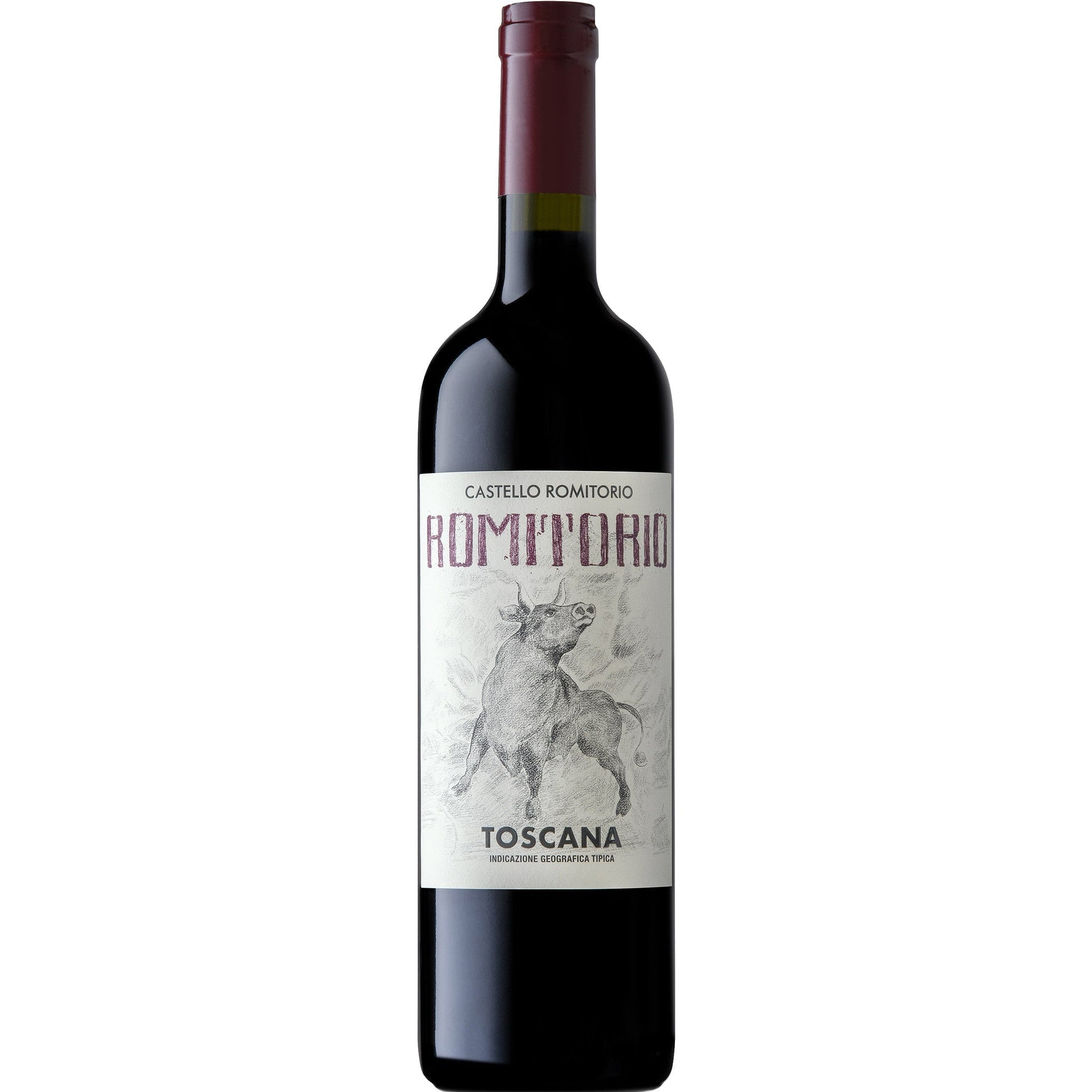
Castello Romitorio, Romitòro, 2019 - Magnum
Castello Romitorio, Romitòro, 2019 - Magnum
- 150cl
- 14%
- Red Still
- Petit Verdot, Syrah
Couldn't load pickup availability

Optimal drinking window: Now - 2027
About Castello Romitorio, Romitòro, 2019 - Magnum
Romitòro is an elegant blend of Syrah and Petit Verdot that expresses the benefits of a moderate climate such as Tuscany’s, where vines grow naturally without needing irrigation and yield an excellent quantity and quality of fruit.
The resulting wine is a bold Super Tuscan that attests to the fact that French varietals can thrive in Tuscany and give exceptional quality, whilst retaining an undeniably Tuscan character. This wine is aged for approximately 12 months in oak and is unfiltered.
Currently showing its primary fruit intensity with firm tannins that need time to integrate fully. Over the next 2-3 years, the oak will marry more seamlessly with the fruit, whilst the tannins soften to reveal more of the wine's underlying complexity. The Petit Verdot will contribute structure and spice that should keep this wine drinking well until 2034, though the peak drinking window will likely be 2028-2032 when fruit and secondary development find perfect balance.
What the critics say:
"The previous vintage of this wine carried the name Il Toro, but the wine has been renamed with this vintage. In archaic Italian, the name RomiTorò translates as Romitorio. The Castello Romitorio 2018 RomiTòro is made with equal parts Syrah and Petit Verdot, all aged in oak for 10 months. This edition opens to an inky dark appearance followed by a thick and succulent texture. It offers a certain firmness to the tannins and a thinner spot on the mid-palate that thickens quickly as the wine hits the palate. Dark plum, prune and blackberry emerge at the top. Lighter notes of spice, smoke and tar also appear. Pair this wine with your favorite steak dinner. Some 44,437 bottles were made. The wine was bottled in December 2019 and hits the market in February 2020. RomiTòro is one of the great value wines to emerge from Tuscany."
Tasting Notes
AppearanceInky dark purple-black with an almost opaque core.
NoseDense and brooding with dark plum and blackberry compote taking centre stage. Underneath, we find smoky oak, tar, and a hint of Mediterranean herbs that whispers of its Tuscan origins. The aromatics are bold but never overwrought.
PalateThick and succulent on entry with a momentary dip at mid-palate before the wine gathers itself into full, concentrated glory. The tannins are firm and structured, providing backbone to the rich dark fruit. Spice and smoke weave through the palate, adding complexity without masking the fruit's intensity.
FinishLong and warming with persistent dark fruit and a final flourish of smoky oak.
Overall impressionA bold Super Tuscan that marries French grape intensity with Italian soul.
Food Pairings
In Tuscany, this would be the wine for bistecca alla Fiorentina, that magnificent T-bone grilled over olive wood and served simply with lemon and coarse salt. The locals might also pair it with wild boar ragu over pici pasta, or aged pecorino from the Maremma. During autumn, it would accompany the ritual of the wild mushroom hunt, served alongside porcini grilled with garlic and herbs, or perhaps a rich stew of cinghiale with juniper berries.
We think this wine would go well with
Serve at 17-18°C to allow the wine's structure to show properly. Decant for 45 minutes to an hour to let the concentrated fruit and oak integrate, particularly if drinking young. Use large Bordeaux glasses to give the intense aromatics room to develop. The magnum format will benefit from even longer decanting time.
The vineyards benefit from Montalcino's terra rossa soils, a mix of clay and limestone that provides excellent drainage whilst retaining enough moisture for the vines to thrive without irrigation. The moderate climate allows for a long, gentle ripening season that preserves acidity whilst developing full phenolic maturity. This combination of soil and climate allows international varieties like Syrah and Petit Verdot to express themselves fully whilst maintaining an unmistakably Tuscan character.
Toscana IGT allows winemakers the freedom to experiment beyond the traditional Sangiovese-based appellations of Tuscany. This flexible designation has become the playground for Super Tuscan wines, where producers can blend international varieties or use modern winemaking techniques without the constraints of DOC regulations. The result has been some of Italy's most innovative and internationally acclaimed wines, proving that Tuscan terroir can elevate grapes from anywhere in the world.
FAQs
What does this wine taste like?
Inky and powerful with dark plum, blackberry, and smoky oak. The Syrah brings succulent fruit whilst the Petit Verdot adds structure and spice.
When should I drink this wine?
Ready now if you enjoy bold, structured wines, but will reward patience. Best drinking window is 2028-2032, though it will hold until 2034.
What food pairs best with this wine?
Perfect for grilled steaks, especially bistecca alla Fiorentina. Also excellent with rich pasta dishes, wild boar, or aged hard cheeses.
Should I decant this wine?
Yes, decant for 45 minutes to an hour to allow the concentrated fruit and oak to integrate. The magnum format may benefit from longer decanting.
Why is this wine in magnum format?
Magnums age more gracefully due to slower oxygen exchange, and this structured wine will particularly benefit from the format's ability to preserve freshness over time.
Is this wine worth cellaring?
Absolutely. The firm tannins and concentrated fruit suggest this will develop beautifully over the next 5-8 years, gaining complexity whilst maintaining its bold character.

Explore related wines


What are you looking for tonight? Tell me the occasion, a grape, a region — or just try a suggestion below.
Your recommendations will appear here.
-
-
Speak to one of our Wine Gurus
Speak to a Wine GuruWith years of experience, our team can help you with all your wine buying and selling needs