

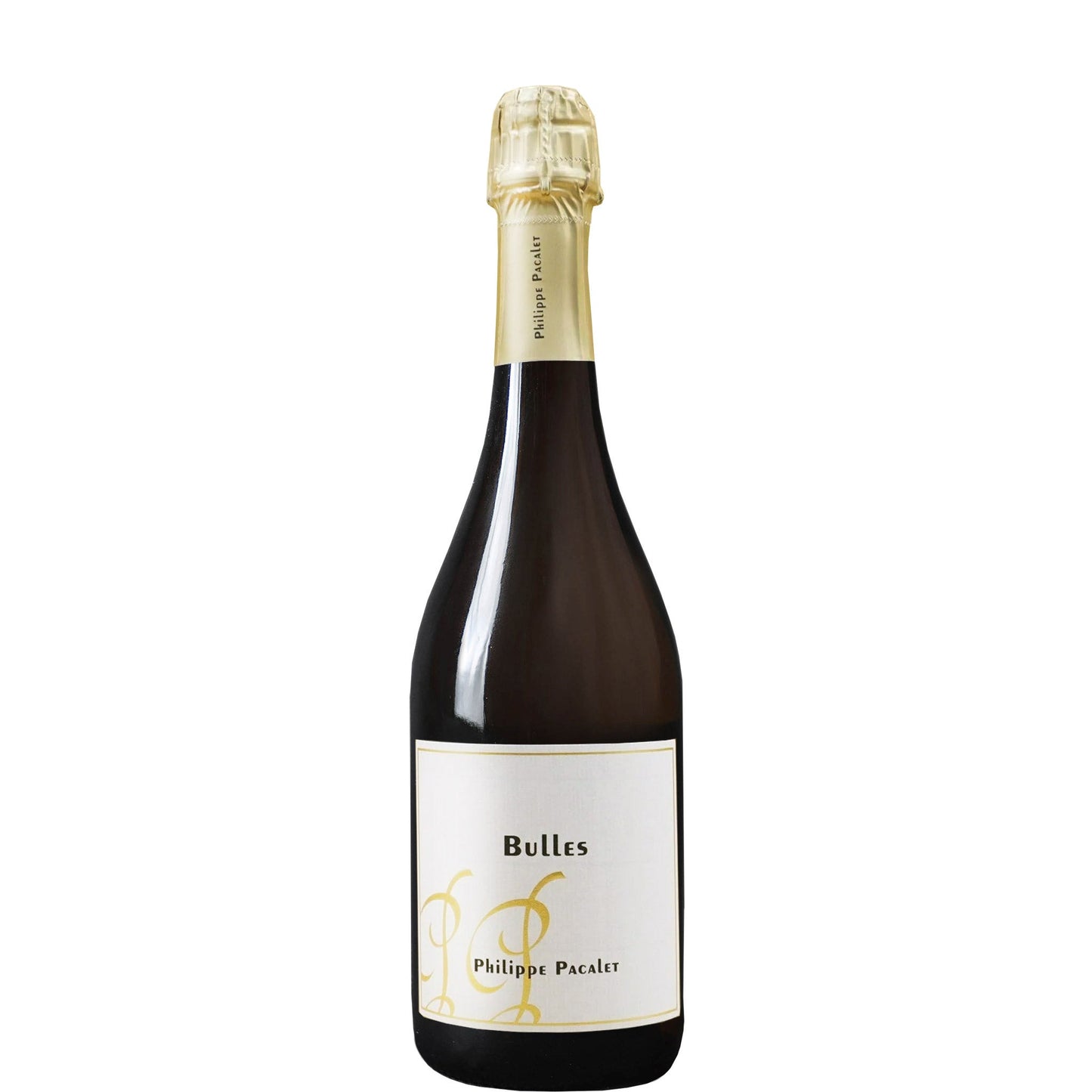
Bulles, Philippe Pacalet, 2020
Bulles, Philippe Pacalet, 2020
- 75cl
- 13%
- White Sparkling
- Chardonnay
- Organic
- Biodynamic
Couldn't load pickup availability

Optimal drinking window: Now - 2030
About Bulles, Philippe Pacalet, 2020
Philippe Pacalet’s 'Bulles' is made with the same natural, minimal-intervention approach that defines his Burgundies. It's unfiltered and lightly hazy, preserving texture and purity.
In the glass, it’s pale with a gentle cloudiness and lively, fine bubbles. Aromas of lemon zest, white blossom and fresh orchard fruit mix with subtle brioche and a savoury nuance from the natural fermentation. On the palate it’s vibrant and linear, with crisp acidity, soft mousse and flavours of citrus, pear and crushed rock, leading to a dry, lightly saline finish.
A brilliant companion to oysters, gougères, sushi, fried chicken or soft, creamy cheeses.
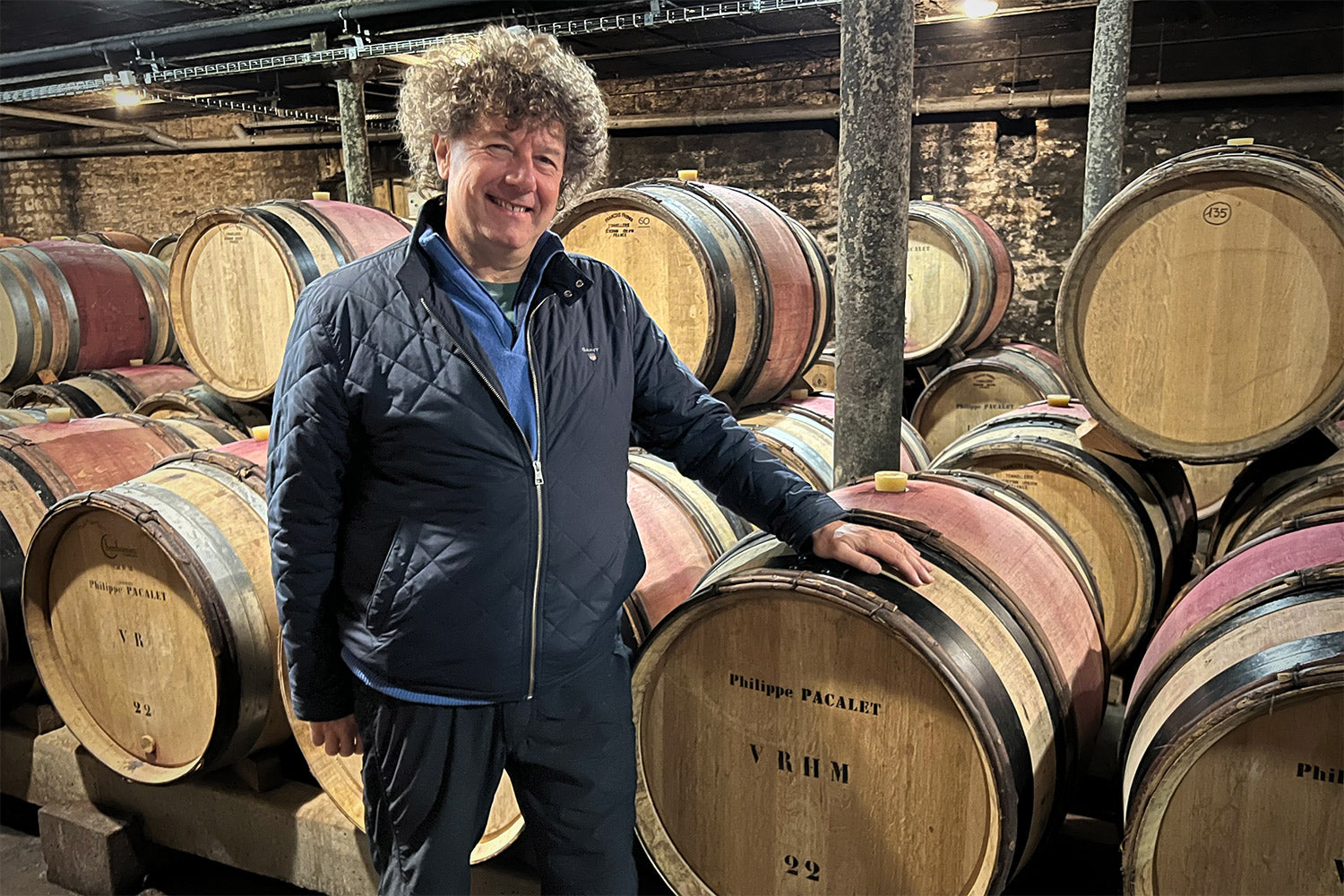
Philippe Pacalet is easily one of our favourite Burgundians, combining a wicked sense of humour with his own bold approach to winemaking that has placed him at the forefront of the Cote d’Or. What else would you expect from the former winemaker at the illustrious Domaine Prieuré-Roch?
This is not a wine that rewards patience. The 2020 is already drinking exactly as it should — fresh, saline, and full of primary energy. Drink it now and over the next year or two while the citrus and orchard fruit are at their most vivid. Much beyond 2030 and you risk losing the precision that makes it compelling; pet-nats like this fade gracefully rather than developing complexity with age. Think of it as a brilliant snapshot, not a painting that needs years to dry.
Tasting Notes
AppearancePale straw with a gentle, natural haziness and a lively stream of fine bubbles.
NoseLemon zest, white blossom, and fresh orchard fruit — pear and green apple — with a savoury undercurrent from the natural fermentation and a whisper of brioche. It smells alive, in the best possible sense.
PalateVibrant and linear, with crisp acidity and a soft, creamy mousse that never feels heavy. Citrus and crushed rock dominate, with the pear flesh adding just enough roundness to keep things generous.
FinishDry and lightly saline, with a mineral persistence that makes you reach for the next sip.
Overall impressionA pet-nat that actually delivers on the promise of the format — vivid, precise, and genuinely refreshing.
Food Pairings
In Burgundy, a wine this light and saline would land on the table long before the main event — with gougères warm from the oven, a plate of jambon persillé, or a dozen Bourgogne snails in herb butter. Locally, you might find it alongside fresh époisses while it still has a little give, or with crayfish from the Saône. Further afield, the saline finish makes it a near-perfect match for oysters, and it handles fried chicken with more grace than anything that costs this little has any right to.
We think this wine would go well with
Serve well chilled, between 6 and 8°C — cold enough to keep the bubbles lively and the acidity bright. No need to decant. A tulip-shaped white wine glass works better than a flute here, giving the wine enough room to open up and show the texture the natural fermentation has built in. Open it, pour it, drink it.
Pacalet sources fruit from organically and biodynamically farmed plots across the Côte d'Or, though the exact vineyard sources for Bulles are not disclosed. The wines are shaped more by farming philosophy than a single site — old vines, low yields, and soils worked without synthetic chemistry. The result is a base wine with genuine texture and mineral drive, which the pétillant naturel method then amplifies rather than masks.
Bulles is a pétillant naturel — a pet-nat, in the vernacular — made outside the rules of any specific sparkling appellation. It falls under the broad Vin de France classification, which gives Pacalet the freedom to work without appellation constraints: no mandated varieties, no imposed methods, no minimum effervescence levels. This is a category defined by the maker's intent rather than a committee's rulebook, and that suits Pacalet rather well.
We'll be honest: 2020 in Burgundy was a vintage that kept everyone on their toes. A warm, dry spring brought early budbreak, then summer turned properly scorching with temperatures hitting 40°C in August. The saving grace came from perfectly timed August rains that rescued the vines from serious drought stress, followed by ideal September weather that allowed for unhurried picking. Yields were mercifully normal after several years of frost-ravaged harvests, and crucially, the heat never tipped into the jammy territory that can plague warmer vintages here.
What emerged were wines with surprising freshness despite the heat, showing ripe fruit balanced by good acidity and lovely mineral precision. The reds have more immediate charm than the structured 2019s, with silky tannins and generous Pinot Noir character, whilst the whites display beautiful richness without losing that crystalline Burgundian tension we adore. This isn't a legendary vintage like 2005 or 2010, but it's thoroughly delicious and more approachable in youth than many Burgundy vintages. The village wines are drinking beautifully now, Premier Crus are just hitting their stride, and the Grands Crus will reward patience for another five to ten years.
FAQs
What does Pacalet's Bulles taste like?
Pale, hazy, and alive with lemon zest, crushed rock, and soft pear. The mousse is creamy rather than aggressive, the finish dry and lightly saline. It is precise and refreshing in equal measure.
What is a pétillant naturel and how is this one different?
A pet-nat is bottled before fermentation is complete, so it finishes in the bottle — no second fermentation, no dosage, no riddling. What sets Pacalet's Bulles apart is the quality of the base wine: this is Burgundy fruit, farmed organically and vinified with the same rigour as his village and premier cru reds. Most pet-nats cannot say that.
When should I drink this wine?
Now or soon. The 2020 is at its peak — vivid, fresh, and full of primary energy.
What food works best with Bulles?
Oysters and gougères are the obvious answers and both are right. It also handles fried chicken, sushi, soft creamy cheeses, and crayfish with real confidence. It is an exceptional aperitif wine, but flexible enough to carry through a light first course.
How should I serve it?
Well chilled — around 6 to 8°C. Use a tulip-shaped glass rather than a flute to give the texture room to breathe. No decanting needed. Open, pour, enjoy.
Is Philippe Pacalet a name worth knowing?
Absolutely. He trained under Henri Jayer and went on to make wine at Domaine Prieuré-Roch before going solo. He is one of the Côte d'Or's most thoughtful and independent-minded winemakers, and Bulles is one of the most enjoyable ways into his world.
Explore related wines


What are you looking for tonight? Tell me the occasion, a grape, a region — or just try a suggestion below.
Your recommendations will appear here.
-
-
Speak to one of our Wine Gurus
Speak to a Wine GuruWith years of experience, our team can help you with all your wine buying and selling needs