

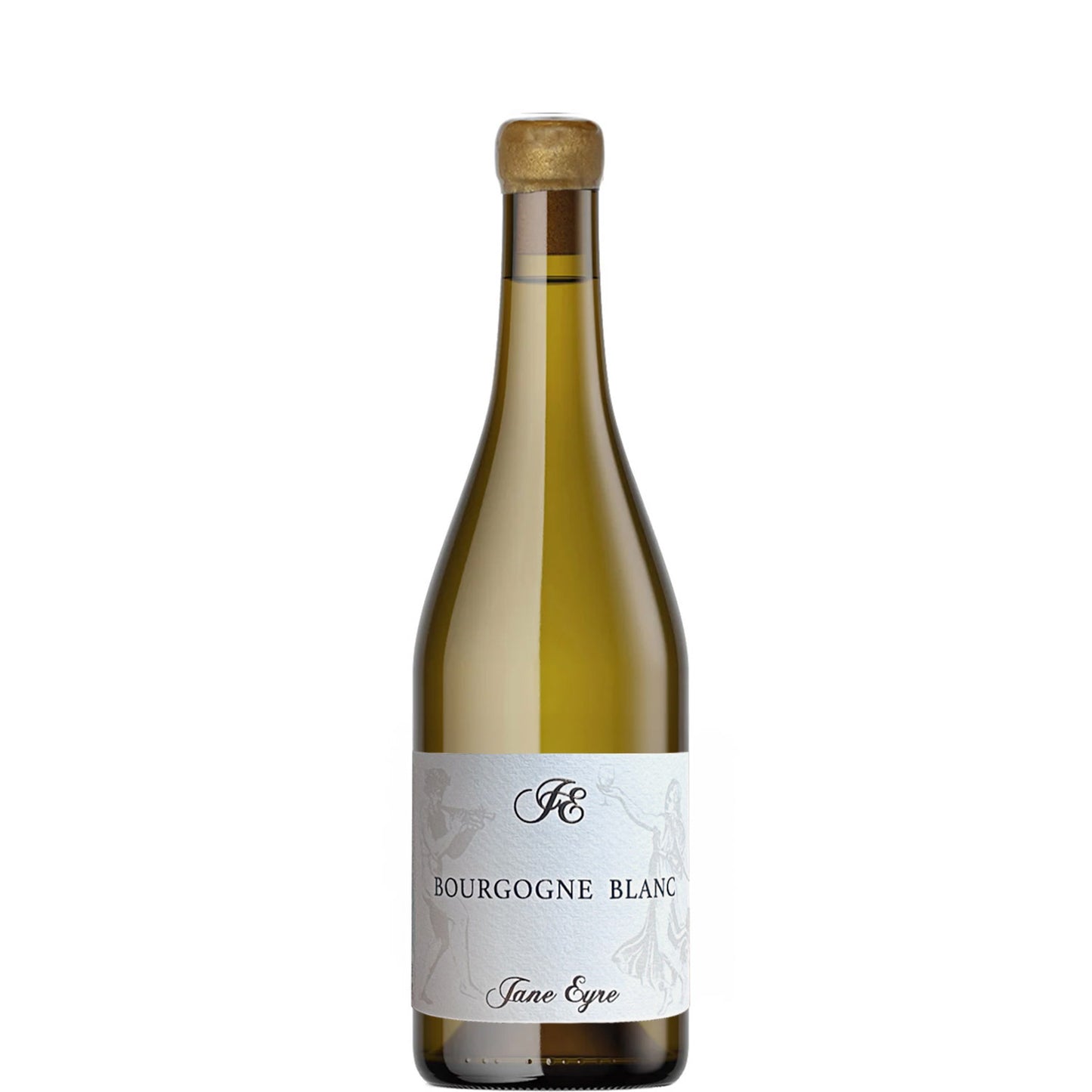
Bourgogne Blanc, Jane Eyre, 2020
Bourgogne Blanc, Jane Eyre, 2020
- 75cl
- 12.5%
- White Still
- Chardonnay
- Organic
- Biodynamic
Couldn't load pickup availability

Optimal drinking window: Now - 2030
"Our first (Burgundy) white from Jane, hailing from parcels in Meursault and Puligny Montrachet.
Zesty and slightly smoky, with grapefruit and green and red apples. A chalky drive, with real verve from initial saline, citrus attack to intense, lively core right down to the crunchy finish. All about energy rather than mass."
Tom Harrow, Head Wine Guru
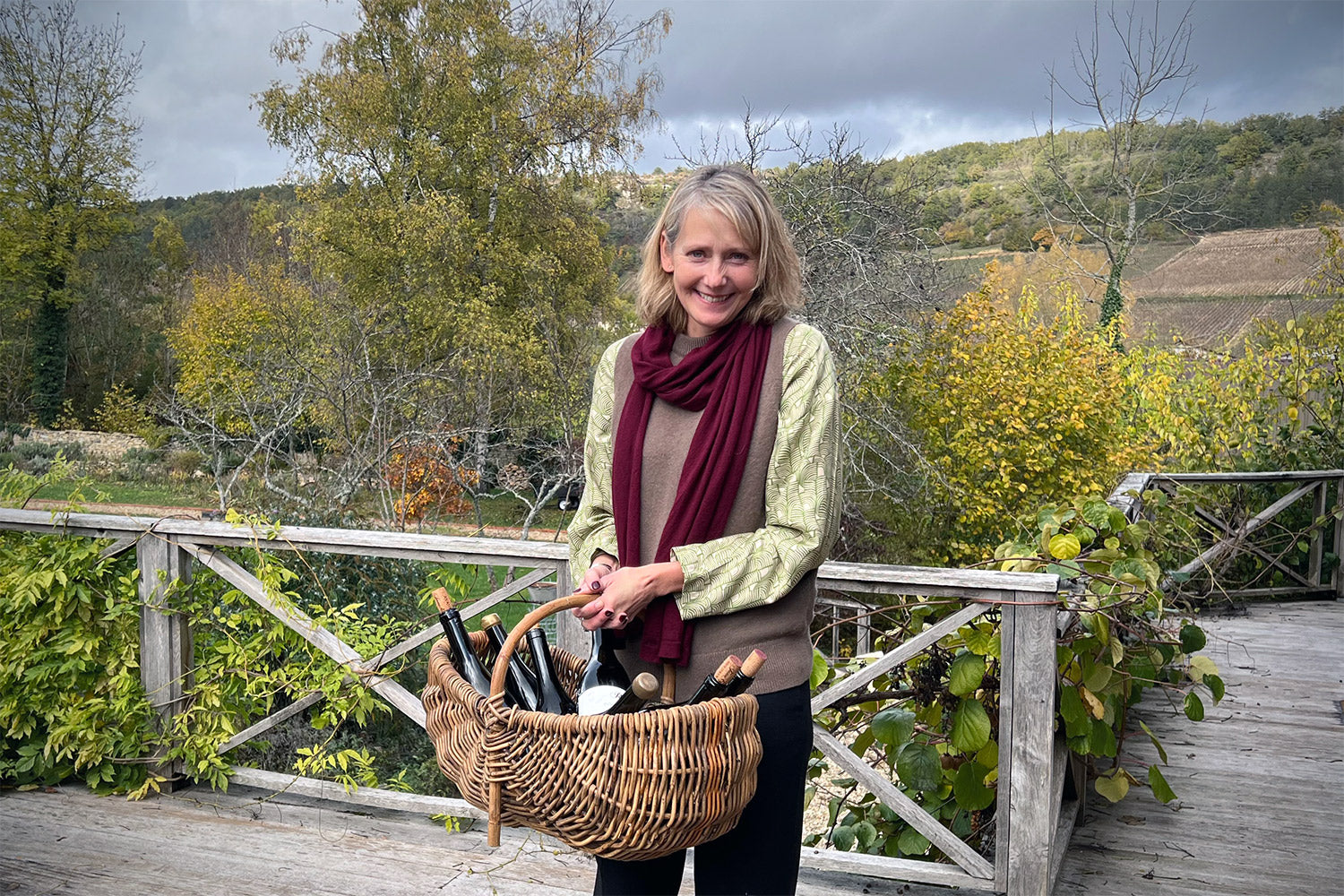
Last year we visited Jane in her former shared premises in Bligny, but 2021 has rung in the changes. As well as being awarded a second star by La Revue du Vin de France (a sort of Michelin equivalent for winemakers) and then winning their coveted ‘winemaker of the year’ (first woman and first foreigner to do so), Jane has now moved operations to new premises across and along from Volnay in Cissey.
The 2020 vintage gave this wine more flesh than many a regional Bourgogne, so it's drinking well right now and will continue to do so for the next two to three years. The primary orchard fruit is at its most vivid in 2026, and that's exactly where you want to catch it. By 2030 it may begin to lose freshness and become a little flat. This is not a wine to squirrel away — it's built for pleasure now, not posterity.
Tasting Notes
AppearancePale gold with a greenish glint, clear and bright.
NoseFresh apple and pear with a squeeze of lemon and a flinty, almost chalky lift underneath. There's a touch of white blossom and the faintest suggestion of light, well-integrated oak. Clean and inviting rather than showy.
PalateThe 2020 ripeness shows in a slightly rounder texture than you might expect from a regional Bourgogne, but the acidity keeps everything honest and linear. Orchard fruit, a hint of almond, and that stony mineral quality that is Burgundy's calling card. Medium body, no excess.
FinishCrisp and clean, with mineral persistence and a lemon-zest lift that lingers just long enough.
Overall impressionA focused, honest Bourgogne Blanc that rewards those who don't wait too long.
Food Pairings
In Burgundy, a wine like this would land on the table alongside gougères fresh from the oven — the classic aperitif of the region, and almost unfairly well-suited to Chardonnay. A simple roast chicken with tarragon butter is the obvious next step, or a plate of jambon persillé, that gloriously gelatinous Burgundian ham terrine that is far more delicious than it sounds. Locals would also think nothing of pairing this with a fresh Époisses before it becomes dangerously pungent, or with a simple omelette aux fines herbes on a weekday evening.
We think this wine would go well with
Serve at around 10-12°C — cold enough to be refreshing, warm enough to let the fruit and mineral character open up. No need to decant; simply open and pour. A tulip-shaped white Burgundy glass will do the job well, concentrating the nose without overwhelming it.
Bourgogne Blanc can draw fruit from a wide range of sites across the Côte d'Or and beyond, including village-declassified parcels and limestone-rich soils that give the appellation its characteristic mineral snap. The 2020 growing season was warm and dry, producing grapes with natural ripeness and good concentration. Limestone and clay soils typical of the Côte de Beaune tend to underpin the style with that stony, chalky quality that distinguishes Burgundian Chardonnay from almost anywhere else on earth.
Bourgogne Blanc is the regional appellation for white Burgundy, covering Chardonnay grown across a broad swathe of the region. It sits below village, premier cru, and grand cru in the Burgundy hierarchy, but that doesn't mean it's an afterthought — many producers declassify excellent fruit into this category, and quality can be startlingly high. Compared to a village Meursault or Puligny, expect less concentration and less complexity, but the same grape, the same soils, and often the same grower's hands.
We'll be honest: 2020 in Burgundy was a vintage that kept everyone on their toes. A warm, dry spring brought early budbreak, then summer turned properly scorching with temperatures hitting 40°C in August. The saving grace came from perfectly timed August rains that rescued the vines from serious drought stress, followed by ideal September weather that allowed for unhurried picking. Yields were mercifully normal after several years of frost-ravaged harvests, and crucially, the heat never tipped into the jammy territory that can plague warmer vintages here.
What emerged were wines with surprising freshness despite the heat, showing ripe fruit balanced by good acidity and lovely mineral precision. The reds have more immediate charm than the structured 2019s, with silky tannins and generous Pinot Noir character, whilst the whites display beautiful richness without losing that crystalline Burgundian tension we adore. This isn't a legendary vintage like 2005 or 2010, but it's thoroughly delicious and more approachable in youth than many Burgundy vintages. The village wines are drinking beautifully now, Premier Crus are just hitting their stride, and the Grands Crus will reward patience for another five to ten years.
FAQs
What does this wine taste like?
Fresh apple and pear on the nose with a stony, chalky mineral edge. On the palate it's medium-bodied with good acidity, a hint of almond, and a clean lemon-zest finish. The 2020 vintage adds a touch more roundness than you'd typically expect from a regional Bourgogne.
When should I drink it?
Now is ideal. The wine is drinking well in 2026 and will remain enjoyable until around 2030. After that, the freshness that makes it so appealing will start to fade. Don't hold back.
What food should I pair it with?
Roast chicken, simple fish dishes, or a plate of jambon persillé would all be spot on. It also works beautifully as an aperitif alongside cheese straws or gougères. Nothing too rich or heavily sauced — this wine likes clean flavours.
How should I serve it?
Serve at 10-12°C. There's no need to decant — just open and pour. A standard white Burgundy or tulip-shaped wine glass is ideal.
Is it worth cellaring?
Not especially. Regional Bourgogne Blanc is made to drink young, and the window here runs to around 2030 at most. The fruit is at its brightest right now, and that's the best time to enjoy it.
Who is Jane Eyre the producer?
A small Burgundy producer whose profile sits quietly under the radar — which in a region dominated by famous names and eye-watering prices, is sometimes exactly where the interesting wines are found. Public information on the domaine is limited, but the wine itself speaks clearly enough.
Explore related wines


What are you looking for tonight? Tell me the occasion, a grape, a region — or just try a suggestion below.
Your recommendations will appear here.
-
-
Speak to one of our Wine Gurus
Speak to a Wine GuruWith years of experience, our team can help you with all your wine buying and selling needs