

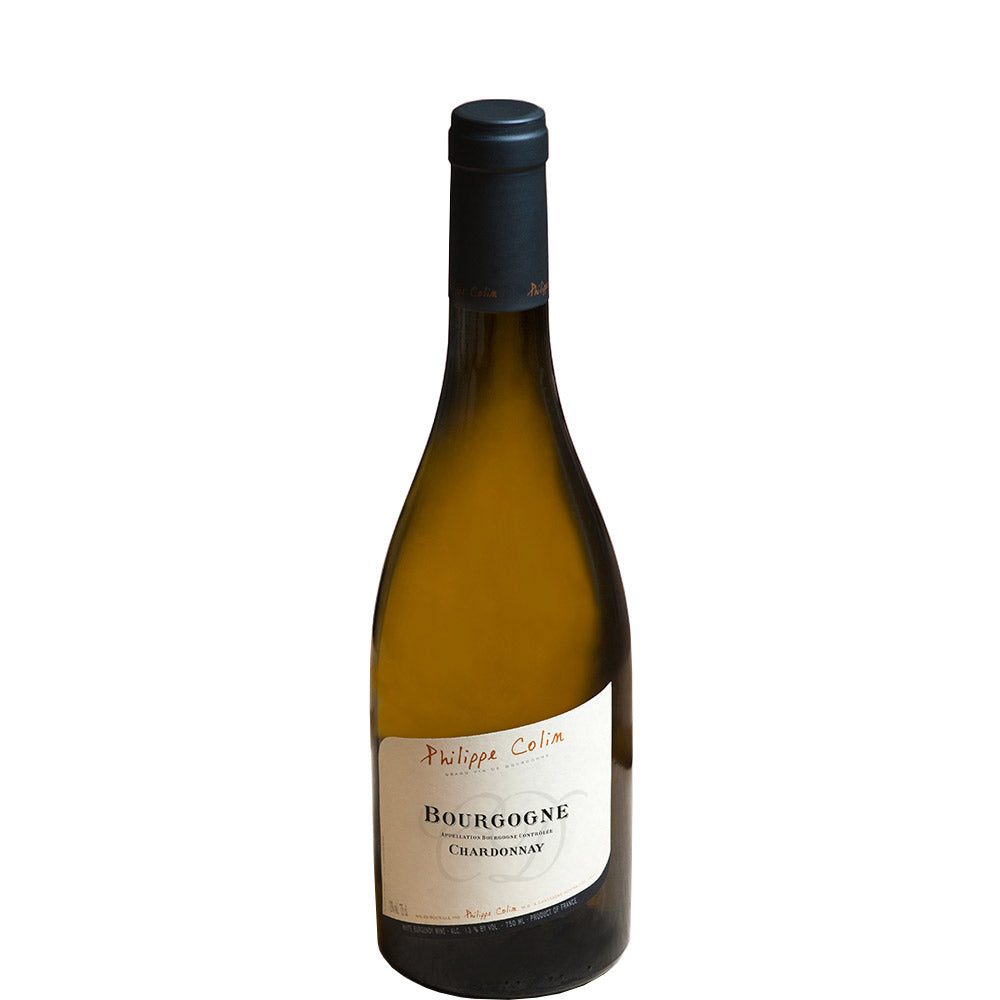
Bourgogne Blanc, Domaine Philippe Colin, 2021
Bourgogne Blanc, Domaine Philippe Colin, 2021
- 75cl
- 13%
- White Still
- Chardonnay
Couldn't load pickup availability

Optimal drinking window: Now - 2030
Philippe Colin runs a 25-hectare estate in Chassagne-Montrachet, making this regional Bourgogne Blanc from younger vines and declassified fruit from his village sites. The 2021 vintage brings characteristic Burgundian restraint with citrus purity and mineral backbone that speaks clearly of place without the weight of barrel aging.
We find this wine captures everything we love about well-made Burgundian Chardonnay at the entry level: clean fruit, precise acidity, and that distinctive chalky minerality that runs through the Côte de Beaune.
The 2021 is drinking beautifully now, showing primary citrus and white fruit with that characteristic Burgundian mineral backbone fully integrated. Over the next two years, expect the fruit to soften slightly while the mineral elements become more pronounced, creating better harmony between components. This wine will hold its freshness and precision until around 2030, though it's not built for long-term cellaring like the village appellations. The acidity will ensure it stays lively, but don't expect significant tertiary development.
Tasting Notes
AppearancePale gold with green highlights, bright and clear in the glass.
NoseClean citrus blossom and white peach with subtle mineral undertones. There's a lovely chalky quality that emerges with air, along with hints of fresh herbs and white flowers. No oak interference, just pure Chardonnay fruit expression.
PalateMedium-bodied with bright acidity driving lemon and white orchard fruit flavours. The limestone soils show through as a distinctive mineral thread that runs from mid-palate to finish. Clean and precise with good concentration for the appellation level.
FinishFresh and saline with lingering citrus and a characteristic Burgundian mineral grip.
Overall impressionTextbook regional Burgundy that punches above its weight with genuine terroir expression.
Food Pairings
In Burgundy, this style of Chardonnay pairs beautifully with the region's classic preparations: escargots swimming in garlic butter, coq au vin blanc, or simply grilled trout from local rivers. The local cheeses work wonderfully too, particularly young Chaource or Époisses before it gets too ripe. Pike-perch from the Saône, prepared with a light cream sauce, is another regional favourite that matches the wine's mineral precision perfectly.
We think this wine would go well with
Serve at 10-12°C in a medium-sized white wine glass to concentrate the mineral aromas. No need to decant, but do let it breathe in the glass for 10-15 minutes to allow the subtle complexities to emerge. Avoid over-chilling, which will mute the delicate fruit and mineral interplay that makes this wine distinctive.
The fruit for this Bourgogne Blanc comes from limestone-rich soils typical of the Côte de Beaune, where chalk and marl provide excellent drainage while retaining enough moisture for the vines. The vineyards sit at modest elevations around Chassagne-Montrachet, benefiting from the region's continental climate with its warm summers and cool nights. These limestone soils impart the characteristic mineral backbone that defines Burgundian Chardonnay, even at the regional level.
Bourgogne Blanc is the entry-level appellation for white Burgundy, covering the entire region but requiring 100% Chardonnay and minimum alcohol levels. It's where many producers place fruit from younger vines, declassified parcels, or vineyards just outside village boundaries. The appellation allows for a more approachable style than the village and premier cru wines, often with earlier drinking windows and more immediate fruit expression. Quality varies enormously, but established producers like Colin use it to showcase pure Burgundian character at accessible prices.
The 2021 growing season in Burgundy started badly and got worse before pulling off one of wine's great escapes. Spring frost in April devastated vineyards across the Côte d'Or, followed by a summer that alternated between biblical downpours and scorching heat. Many producers lost 50% or more of their crop to the frost alone, then watched hail batter what remained in some unlucky villages. By August, with rot creeping through rain-soaked vineyards, even the most optimistic vignerons were writing off the vintage.
What emerged from this chaos surprised everyone: wines with remarkable freshness and purity, if you can find them. The tiny yields meant those grapes that survived were intensely concentrated, while the September sunshine saved the day with perfect ripening conditions. We find the reds show beautiful fruit clarity without heaviness, drinking with an immediacy that makes them irresistible now but promising a decade or more of evolution. The whites are particularly stunning, with a mineral intensity that cuts through their richness. Yes, there's not much 2021 Burgundy about, and yes, it's expensive, but this is one of those vintages where disaster bred greatness.
FAQs
What does this Bourgogne Blanc taste like?
Clean and mineral-driven with citrus and white orchard fruit, bright acidity, and a distinctive chalky finish that's characteristic of good Burgundy.
When should I drink this wine?
It's drinking perfectly now and will remain fresh and vibrant until around 2030, making it ideal for near-term enjoyment.
What food pairs well with this wine?
Classic matches include shellfish, grilled fish, roast chicken, and soft cheeses. The mineral character also works beautifully with goat's cheese and herb-based dishes.
How does this compare to more expensive Burgundies?
While it lacks the complexity of village and premier cru wines, it offers genuine Burgundian character with that distinctive mineral backbone at a fraction of the price.
Should I cellar this wine?
This is made for drinking over the next few years rather than long-term aging. Enjoy it while the fruit is fresh and the mineral character is at its most expressive.
What temperature should I serve this at?
Serve at 10-12°C in proper white wine glasses. Avoid over-chilling, which will mute the subtle mineral and fruit interplay that makes it special.

Explore related wines


What are you looking for tonight? Tell me the occasion, a grape, a region — or just try a suggestion below.
Your recommendations will appear here.
-
-
Speak to one of our Wine Gurus
Speak to a Wine GuruWith years of experience, our team can help you with all your wine buying and selling needs