
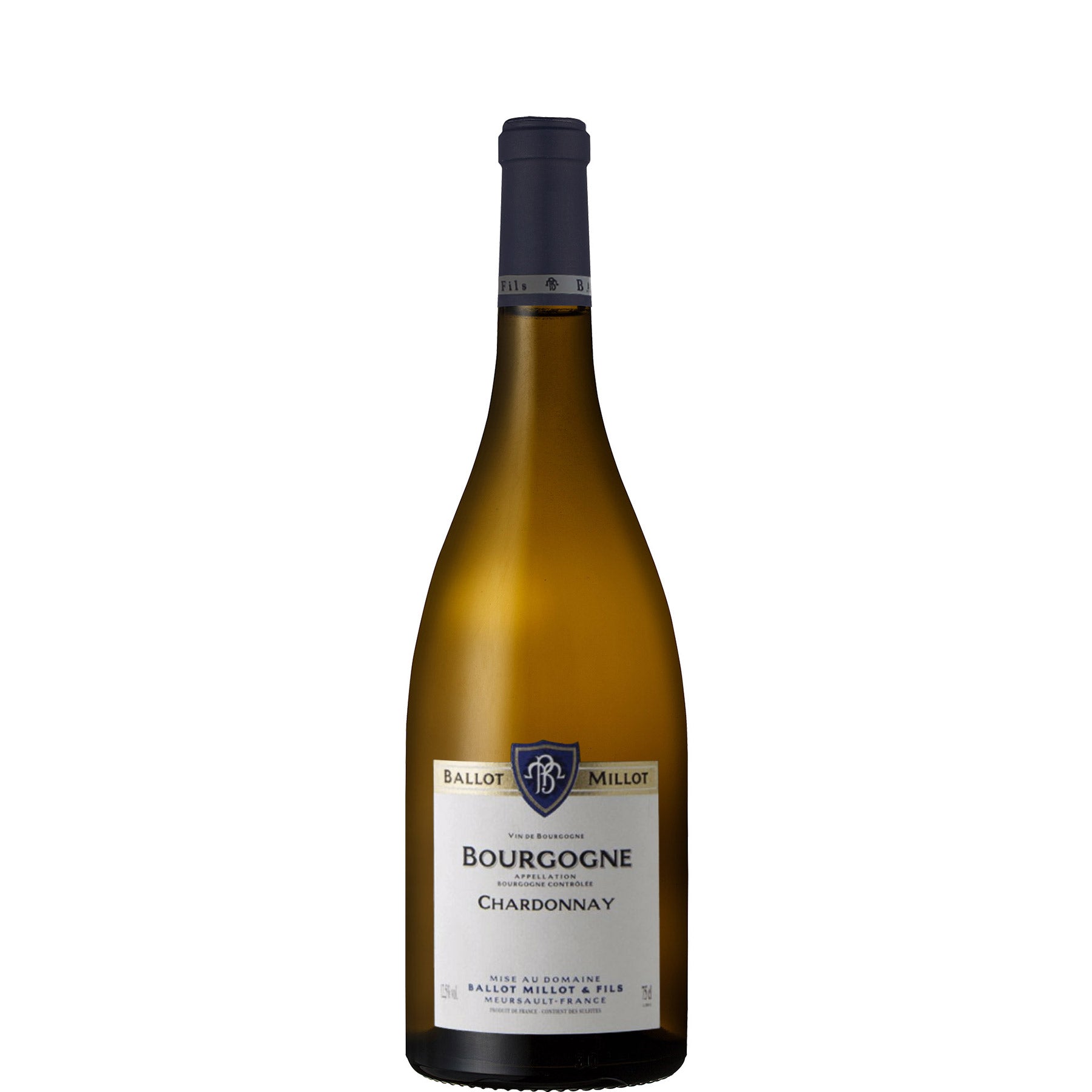
Bourgogne Chardonnay, Domaine Ballot-Millot, 2021
Bourgogne Chardonnay, Domaine Ballot-Millot, 2021
- 75cl
- 12.5%
- White Still
- Chardonnay
- Organic
Couldn't load pickup availability

Optimal drinking window: Now - 2027
Domaine Ballot-Millot, now under the skilled stewardship of the 17th-generation vintner Charles Ballot, remains one of Meursault’s leading estates.
Charles farms the vineyards organically, whilst in the cellar, he follows the lunar cycle, allowing nature's rhythms to guide his winemaking. His guiding principle is let the terroir do the talking, and the wines are always beautifully expressive and elegant.
This 2021 is drinking beautifully now, showing primary citrus and stone fruit characteristics with well-integrated oak. Over the next 2-3 years, expect the fruit to mellow slightly whilst developing more complex honeyed and nutty secondary flavours. The wine should reach its peak around 2027, when the mineral backbone will be most prominent and the texture at its most harmonious. Beyond 2027, the wine will begin a gentle decline, though it will remain pleasant to drink, with the fresh fruit gradually fading to reveal more earthy, evolved characteristics typical of mature white Burgundy.
Tasting Notes
AppearancePale gold with green highlights, bright and clear in the glass.
NoseClean citrus and green apple aromatics lead, followed by subtle chalky minerality. There's a gentle floral lift with hints of fresh butter and brioche from careful lees contact. The organic farming shows in the wine's purity and precision.
PalateMedium-bodied with excellent tension between ripe fruit and crisp acidity. Lemon zest and white peach flavours are supported by a fine mineral backbone. The texture is creamy yet fresh, with just enough oak integration to add complexity without overwhelming the fruit.
FinishClean and persistent with citrus pith and a subtle saline quality that speaks of limestone soils.
Overall impressionA textbook example of why good producers matter more than famous appellations in Burgundy.
Food Pairings
In Burgundy, this style of Chardonnay would naturally accompany the region's river fish, particularly trout or pike from the Saône, simply prepared with butter and herbs. Local chefs would pair it with escargots de Bourgogne swimming in garlic and parsley butter, or with the classic jambon persillé served as a first course. Chaource and other local cow's milk cheeses make perfect matches, as does the region's famous coq au vin blanc when you want something more substantial. The wine's mineral backbone also complements freshwater crayfish écrevisses à la nage, a Burgundian delicacy often served at harvest time.
We think this wine would go well with
Serve at 10-12°C to preserve the wine's fresh acidity and mineral precision. No decanting required, but do allow the wine to warm slightly in the glass to fully express its aromatics. Use a medium-sized white wine glass with a slight tulip shape to concentrate the delicate floral and citrus notes. Open just before serving as this style shows best when fresh and vibrant.
The Bourgogne Chardonnay comes from vineyard sites around Meursault that didn't qualify for village-level classification, typically on slopes with limestone-clay soils. These cooler exposures and varied soil compositions provide excellent drainage whilst retaining enough moisture for the vines. The continental climate with its warm summers and cool nights allows for slow ripening, preserving acidity whilst developing complexity. Though classified as regional Bourgogne, these sites benefit from the same geological foundations that make Meursault famous.
Bourgogne Blanc represents the entry level of white Burgundy, covering vineyards throughout the region that don't qualify for village or premier cru status. The appellation allows only Chardonnay and Aligoté for whites, with strict yield limits and quality controls. Whilst lacking the prestige of village appellations, talented producers like Ballot-Millot often craft Bourgogne that rivals many village wines. The key difference lies in vineyard location rather than winemaking standards, making this appellation a hunting ground for savvy buyers seeking authentic Burgundy character at accessible prices.
The 2021 growing season in Burgundy started badly and got worse before pulling off one of wine's great escapes. Spring frost in April devastated vineyards across the Côte d'Or, followed by a summer that alternated between biblical downpours and scorching heat. Many producers lost 50% or more of their crop to the frost alone, then watched hail batter what remained in some unlucky villages. By August, with rot creeping through rain-soaked vineyards, even the most optimistic vignerons were writing off the vintage.
What emerged from this chaos surprised everyone: wines with remarkable freshness and purity, if you can find them. The tiny yields meant those grapes that survived were intensely concentrated, while the September sunshine saved the day with perfect ripening conditions. We find the reds show beautiful fruit clarity without heaviness, drinking with an immediacy that makes them irresistible now but promising a decade or more of evolution. The whites are particularly stunning, with a mineral intensity that cuts through their richness. Yes, there's not much 2021 Burgundy about, and yes, it's expensive, but this is one of those vintages where disaster bred greatness.
FAQs
What does this Bourgogne Chardonnay taste like?
Fresh and mineral-driven with citrus and green apple flavours, creamy texture, and a clean limestone finish - classic white Burgundy character at an accessible level.
How does this compare to village-level Meursault?
The style is very similar but slightly lighter, coming from vineyard sites that didn't qualify for village status - offering genuine Ballot-Millot quality at a more approachable price.
When should I drink this wine?
Perfect now through 2029, with the sweet spot being 2026-2028 when the fruit and mineral elements are in perfect balance.
What food pairs well with this wine?
Excellent with shellfish, roast chicken, creamy fish dishes, and soft cheeses - the mineral acidity cuts through rich sauces whilst complementing delicate flavours.
How should I serve this wine?
Serve chilled at 10-12°C in medium-sized white wine glasses, opening just before serving to preserve its fresh, vibrant character.
Is this wine worth cellaring?
It's gorgeous now - drink according to your preference for fresh versus evolved styles.

Explore related wines


What are you looking for tonight? Tell me the occasion, a grape, a region — or just try a suggestion below.
Your recommendations will appear here.
-
-
Speak to one of our Wine Gurus
Speak to a Wine GuruWith years of experience, our team can help you with all your wine buying and selling needs