

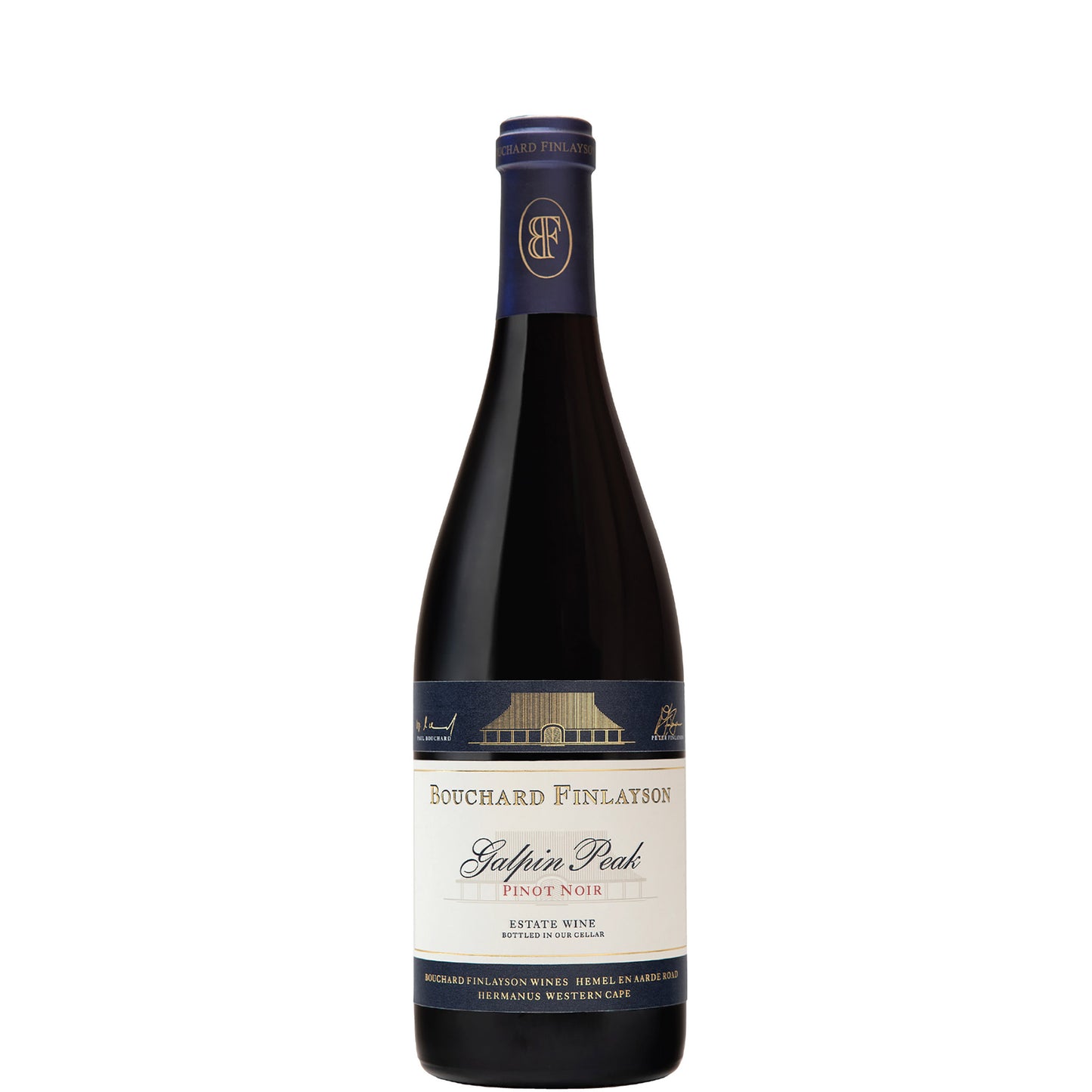
Bouchard Finlayson, Galpin Peak Pinot Noir, 2020
Bouchard Finlayson, Galpin Peak Pinot Noir, 2020
- 75cl
- 14%
- Red Still
- Pinot Noir
Couldn't load pickup availability

Optimal drinking window: Now - 2033
Bouchard Finlayson Galpin Peak Pinot Noir is beautifully balanced, rich, and dark, with inviting aromas of berries, plums, and subtle floral notes. The palate is expressive and refined, showing pure fruit flavours and a smooth, generous finish. It’s drinking well now but has the structure to age gracefully for several years.
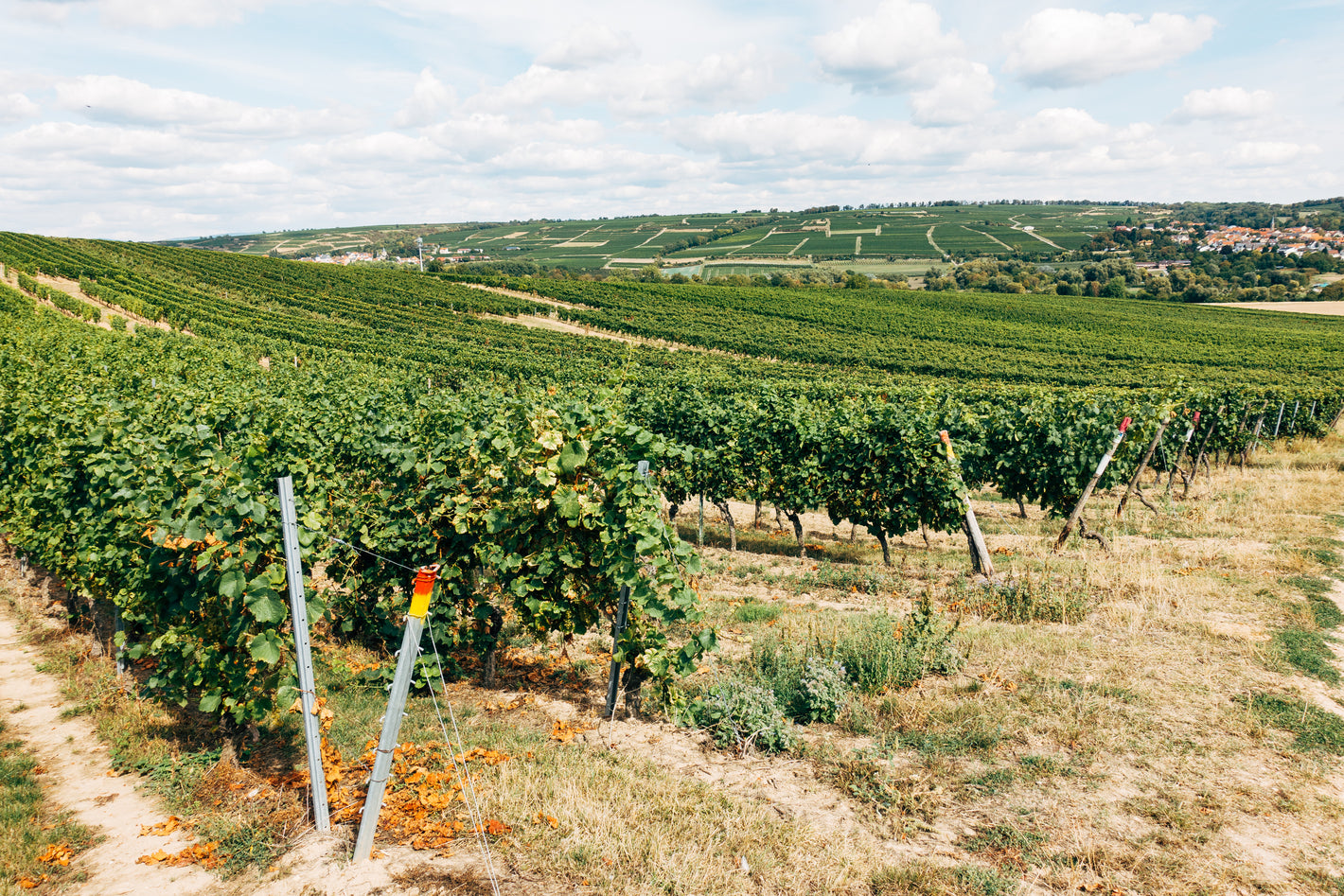
The wine comes from the estate’s clay-rich soils in the Hemel-en-Aarde Valley, an area perfectly suited to Pinot Noir. Unusually for South Africa, the vineyards are planted in tightly spaced rows following the traditional Burgundian model. This encourages natural competition between vines, resulting in smaller yields and fruit of greater intensity, depth, and colour - a hallmark of Galpin Peak’s distinctive character.
Right now, in 2026, the 2020 Galpin Peak is in an appealing early window — the fruit is vivid and forward, the tannins are already polished, and it's genuinely pleasurable to drink. Over the next two to three years, the primary cherry and strawberry fruit will begin to knit with the wine's savoury, earthy undertones, adding complexity and mid-palate weight. By 2029 or 2030, we'd expect the secondary notes — dried flowers, forest floor, a hint of game — to emerge more fully. It will likely plateau somewhere between 2030 and 2033, at which point it should be at its most complete. Drinking beyond 2035 is possible for careful cellars, but this isn't a wine built for indefinite ageing — it's built for pleasure, and that window is finite.
What the critics say:
"Aromas of red cherry, sliced strawberry, chicory root and paprika. Medium-bodied with a silky texture and soft tannins. So much energy and life here, with very pretty red fruit standing at the center. Complex with a floral edge. Textural at the finish. Already so lovely, but will open up even more with time. Sustainable. Drink or hold."
Tasting Notes
AppearanceDeep ruby with a garnet core and a clear, luminous rim.
NoseRed cherry and wild strawberry up front, with a pretty floral edge and a savoury undercurrent of chicory and dried paprika that keeps things interesting. There's real energy here — this doesn't smell like a warm-climate Pinot trying to be something it isn't.
PalateMedium-bodied with silky, well-integrated tannins and a core of pure red fruit that holds its line from entry to finish. The texture is the real story: fine-grained and precise, with just enough flesh to feel generous without tipping into richness.
FinishLong and lifted, with a mineral pull and soft floral echo that lingers well past the last sip.
Overall impressionA Pinot Noir with genuine poise — drinking well now but clearly not done yet.
Food Pairings
Around Hermanus and the Western Cape, this style of wine gets poured alongside slow-roasted lamb shoulder with rosemary and garlic — a near-perfect match. Braai culture is everywhere here, and a medium-rare lamb chop off the coals is an obvious and brilliant pairing. Locally caught yellowtail, grilled and served simply with lemon, works surprisingly well with the wine's lighter-footed structure. Further inland, Cape Malay-influenced dishes like bobotie walk a trickier line given the sweetness, but the wine's savoury edge holds its own. Duck breast with a cherry reduction is a more classical pairing, and one that plays directly to the wine's strengths.
We think this wine would go well with
Serve at around 16°C — cool enough to preserve freshness, warm enough to let the fruit express itself. A light 20-minute decant will help open up the nose and soften any residual structure, though this isn't a wine that needs much coaxing. Use a standard Burgundy glass with a generous bowl to give those floral aromatics room to breathe.
The Galpin Peak vineyard sits in the Hemel-en-Aarde Valley near Hermanus, where cool Atlantic air from Walker Bay keeps temperatures low enough for Pinot Noir to ripen slowly and retain freshness. The soils are clay-rich, holding moisture through the dry growing season and encouraging the vine roots to dig deep. Bouchard Finlayson plants in tight Burgundian row spacing, forcing the vines to compete for nutrients, which reduces yields and concentrates flavour. The result is fruit with real depth and colour density — uncommon in South Africa and entirely the point.
Walker Bay is one of South Africa's coolest wine districts, centred on the coastal town of Hermanus roughly 120 kilometres east of Cape Town. The Hemel-en-Aarde Valley, Hemel-en-Aarde Ridge, and Upper Hemel-en-Aarde Valley are its three wards, each progressively further from the ocean and slightly warmer. The whole area has built its reputation almost entirely on Pinot Noir and Chardonnay, with producers here making some of the most Burgundy-adjacent wines on the African continent. It's a small appellation by any measure, but one punching well above its weight.
Walker Bay in 2020 had a relatively cool, dry growing season — par for the course in this windswept corner of the Western Cape, where the Atlantic keeps things honest. What made 2020 stand out was the absence of the heat extremes that have troubled some neighbouring regions; growers here had time on their side, and the Pinot Noir and Chardonnay that define Hemel-en-Aarde ripened slowly and with real precision. There was drought stress in places, which concentrated flavours without tipping into overripeness, and yields were modest. The result was wines with genuine freshness and structure rather than the blowsy richness that can creep in when the Cape gets too generous with the heat.
Across the board, 2020 produced wines of real definition — the Pinots lean and taut rather than plush, the Chardonnays carrying the kind of mineral tension that makes this valley worth the fuss. We find many are drinking beautifully right now but have the backbone to reward another three to five years in the cellar. The better examples from Hamilton Russell, Bouchard Finlayson, and Storm will hold comfortably until 2027 or beyond. If you've been sitting on bottles, now is a very good moment to start paying attention.
FAQs
What does Galpin Peak Pinot Noir taste like?
Think red cherry and wild strawberry with a floral lift, a savoury edge of chicory and dried spice, and a silky, precise texture. It's a Pinot Noir with real energy — more cool-climate finesse than warm-weather richness.
When should I drink the 2020 vintage?
It's drinking well right now and will continue to do so until around 2030 to 2033. If you want to catch it at its most complex, give it another three to four years and it should reward the patience.
Is this worth cellaring?
Yes, within reason. The structure and concentration are there to support medium-term ageing, but this isn't a wine to forget in the cellar for a decade. Somewhere between 2029 and 2033 is the sweet spot.
What food works best with this wine?
Slow-roasted lamb is the obvious call, but grilled duck breast, mushroom-based dishes, or even a simply prepared oily fish like yellowtail all make strong partners. The wine's savoury undercurrent means it handles umami-rich foods particularly well.
How should I serve it?
Around 16°C, in a Burgundy-style bowl glass. A short 20-minute decant is worthwhile but not essential — this is a wine that opens up quickly and doesn't need much prompting.
How does Galpin Peak compare to Burgundy Pinot Noir?
It shares Burgundy's structural approach — tight vine spacing, lower yields, clay soils — but the fruit expression is warmer and more immediately generous. Think of it as a wine that speaks the same language with a different accent: recognisably Pinot, but distinctly South African.
Explore related wines


What are you looking for tonight? Tell me the occasion, a grape, a region — or just try a suggestion below.
Your recommendations will appear here.
-
-
Speak to one of our Wine Gurus
Speak to a Wine GuruWith years of experience, our team can help you with all your wine buying and selling needs