

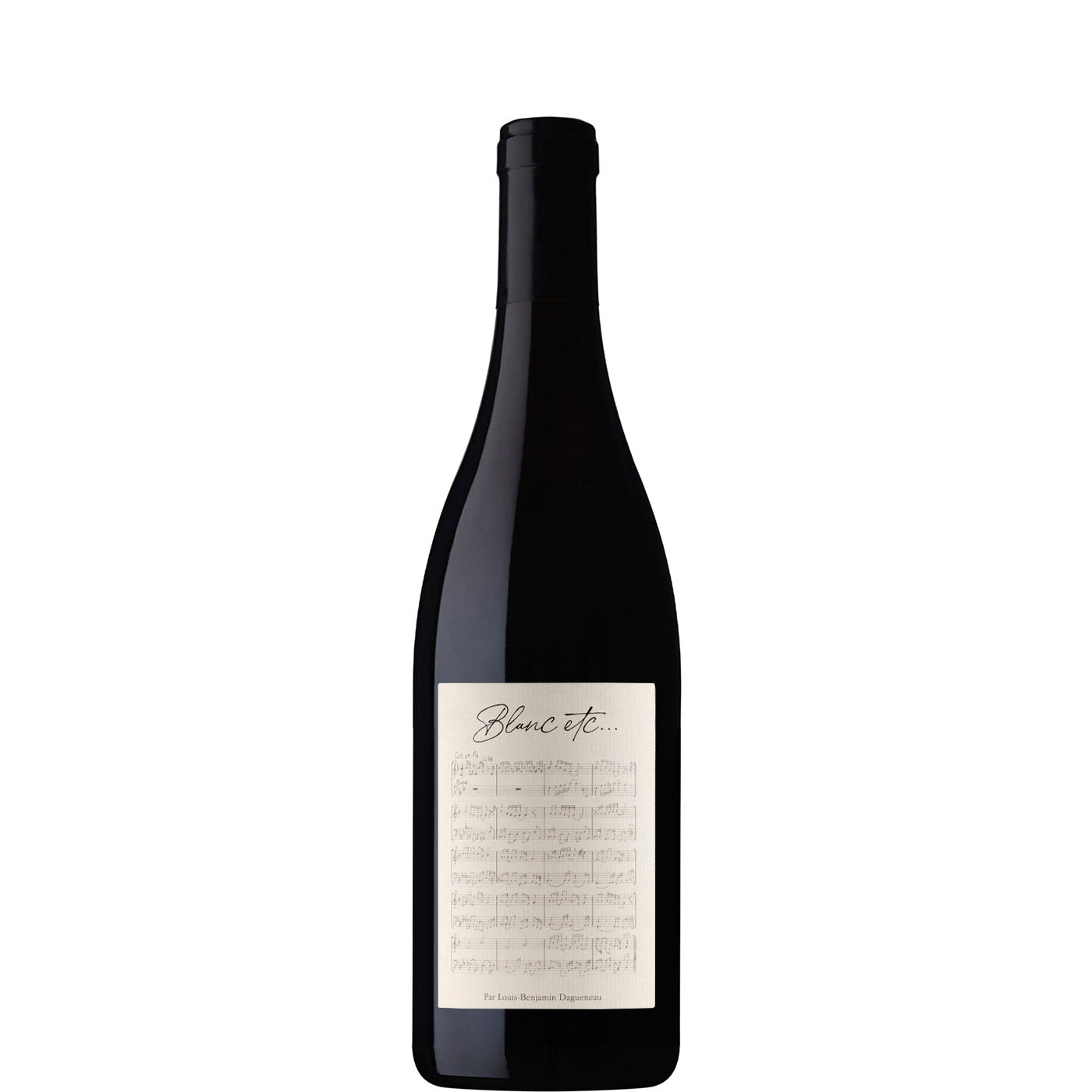
Blanc 'etc.', Domaine Didier Dagueneau, 2023
Blanc 'etc.', Domaine Didier Dagueneau, 2023
- 75cl
- 13%
- White Still
- Sauvignon Blanc
- Organic
- Biodynamic
Couldn't load pickup availability

Optimal drinking window: 2026 - 2035
Didier Dagueneau transformed Pouilly-Fumé from sleepy backwater to white wine mecca, and his 'etc.' cuvée captures everything brilliant about his revolutionary approach. This is Sauvignon Blanc stripped of its grassy clichés and rebuilt as pure mineral expression, grown on the Loire's limestone slopes and fermented in old oak to add weight without masking the grape's razor-sharp personality.
“The Dagueneau wines blew the market away when they were first released and they remain a benchmark in Pouilly Fumé”
Rebecca Gibb (Vinous)
These rarely get scored by the critics but if you enjoy great white Burgundy or the finest expressions of terroir driven Sauvignon Blanc, we can’t recommend Dagueneau wines enough.
Right now, in 2026, the 2023 is in an excellent early window — the fruit is fresh and the acidity bright, and there is genuine pleasure in drinking it young. Over the next two to three years the primary citrus notes will integrate and the lees-derived texture will knit more seamlessly into the whole. By 2028 to 2030 we expect a more complex, honeyed character to emerge alongside the mineral spine, which is where Dagueneau wines often show their most interesting face. Beyond 2033 the fruit will start to fade and the wine will lean increasingly on its structure, which is fine if you like your whites austere and oxidative, but for most palates that is the moment to have opened the last bottle.
Tasting Notes
AppearancePale gold with a faint green shimmer, clear and bright.
NoseImmediately the flint and smoke announce themselves — this is unmistakably from the silex. White peach and lemon curd sit underneath, fresh and precise, with a faint waxy quality that suggests real concentration in the fruit. There is nothing showy about it; it simply smells like somewhere specific.
PalateThe acidity is the architecture here — clean and very straight, holding the fruit in perfect tension. White grapefruit, chalk, and a whisper of warm brioche from what little oak influence there is. The texture is lean but not austere; there is weight without heaviness, and the fruit is riper than in cooler vintages.
FinishLong, mineral, and dry with a lingering note of crushed stone and lemon zest.
Overall impressionA precise, serious white that wears its pedigree lightly and rewards attention.
Food Pairings
Along the Loire, this style of Sauvignon Blanc is the automatic companion to the local goat's cheeses — Crottin de Chavignol in particular, where the chalky acidity of the wine and the tang of the cheese are made for each other. River fish are the other natural partner: sandre (pike-perch) with beurre blanc is the classic regional dish, and the wine's acidity cuts through the butter with ease. Freshwater crayfish, simply prepared, or a cold plate of rillettes with crusty bread are the kinds of things Loire locals would actually put on the table. It also does something very right alongside oysters, if you're feeling indulgent.
We think this wine would go well with
Serve at 10-12°C — cold enough to keep the acidity lively but not so cold that it shuts down the aromatics. No need to decant, though giving it ten minutes in the glass to open up does no harm. A tulip-shaped white wine glass rather than a wide-bowled Burgundy glass will preserve the delicate flint character and focus the nose.
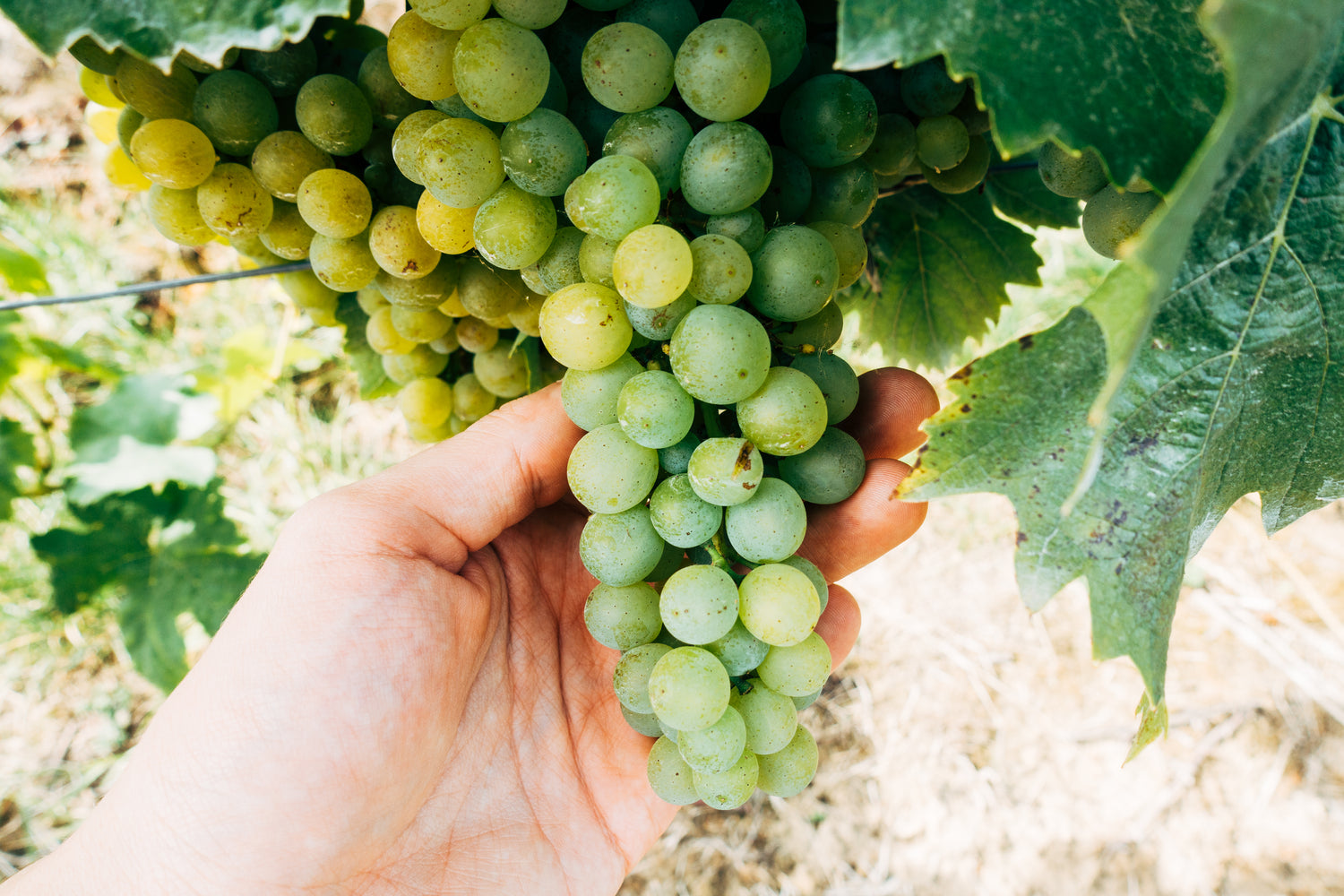
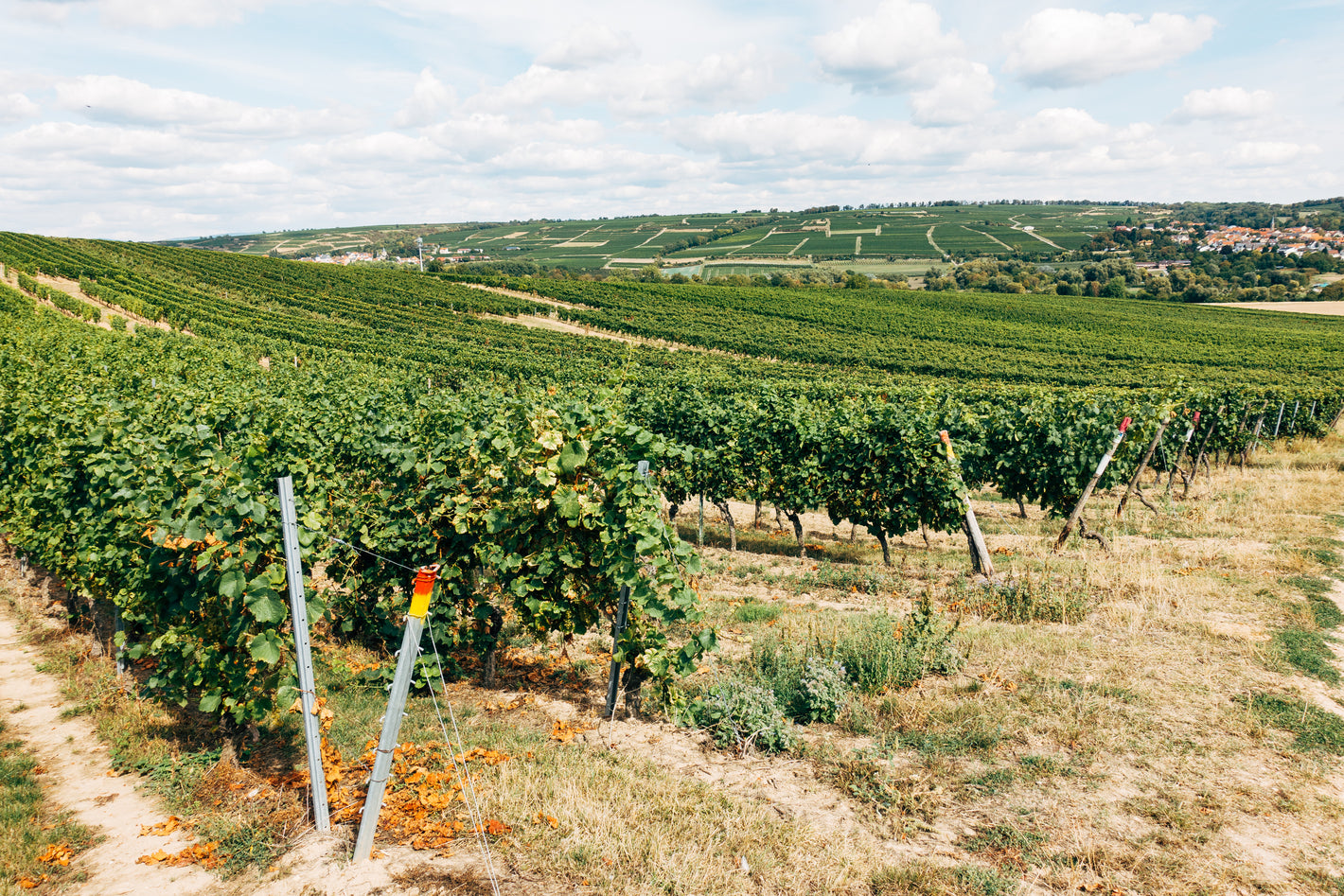
The Pouilly-Fumé vineyards where Dagueneau sources fruit sit on Kimmeridgian limestone and silex — a flint-rich soil that gives the wines their distinctive gunsmoke and struck-match character. The Loire Valley's continental climate brings cold winters and warm, dry summers, with the river moderating extremes. Silex soils in particular drain exceptionally well and force vine roots deep, producing wines with concentration and mineral precision that clay-heavy sites simply cannot replicate.
Pouilly-Fumé is a small Loire Valley appellation on the right bank of the river, planted exclusively to Sauvignon Blanc. It sits across the water from Sancerre but tends to produce wines with a slightly more smoky, mineral quality — a character linked to the silex (flint) soils found here. The 'Fumé' in the name refers to this smokiness, not to oak treatment. While Sancerre enjoys broader name recognition, Pouilly-Fumé at its best, particularly from producers like Dagueneau, makes the argument that this is the more intellectually serious of the two appellations.
The 2023 Loire vintage feels like the region caught a break after several years of climate extremes. Spring arrived gently, without the brutal frosts that have haunted growers in recent seasons, and summer brought the kind of balanced warmth that lets vines ripen steadily rather than sprint to the finish line. We love how this steady rhythm shows in the wines — there's a naturalness to the ripening that translates into vibrant, focused flavours across the board.
What landed in our cellars has that classic Loire precision we're always hunting for, but with more flesh on the bones than some of the leaner years. The Sauvignon Blancs from Sancerre and Pouilly-Fumé crackle with mineral energy while actually filling your mouth, and the Chenin Blancs from the middle Loire show beautiful balance between their natural acidity and ripe fruit character. Most of these wines are singing right now — the whites especially have hit that sweet spot where youth and drinkability overlap perfectly. The reds will reward a bit more patience, but honestly, we're already dipping into our allocations because they're so bloody delicious.
FAQs
What does Blanc 'etc.' taste like?
Think flint, white peach, lemon curd, and chalk — it is dry, precise, and mineral rather than fruity or aromatic in the conventional Sauvignon Blanc sense. The 2023 has a little more generosity than cooler vintages but never loses its characteristic austerity.
When should I drink this wine?
It is drinking very well now and will continue to do so until around 2030, perhaps 2033 if you like your whites with a bit of bottle age. There is no reason to wait, but there is also no reason to rush.
What food should I serve with it?
Loire goat's cheese — Crottin de Chavignol especially — is the classic match. River fish with beurre blanc, oysters, or anything delicate and butter-based will work beautifully. Avoid anything heavily spiced or sweet, which will flatten the wine's precision.
How should I serve it?
At 10-12°C in a tulip-shaped white wine glass. No decanting needed, though a few minutes in the glass before drinking makes a difference. Do not serve it too cold or the aromatics will disappear entirely.
Is this worth cellaring?
It will develop nicely for another five to seven years, gaining texture and complexity as the primary fruit softens. But this is not a wine that transforms dramatically with age the way the domaine's top cuvées like Silex or Pur Sang do — drink it while it is bright and vivid.
How does this compare to other Dagueneau wines?
Blanc 'etc.' is the most accessible wine in the range — more immediately open than the single-vineyard cuvées and priced accordingly. The philosophy and the farming are the same, but the selection is less rigorous. Think of it as the domaine's calling card rather than its final word.
OUR GROWERS
Domaine Didier Dagueneau
Explore related wines


What are you looking for tonight? Tell me the occasion, a grape, a region — or just try a suggestion below.
Your recommendations will appear here.

-
-
Speak to one of our Wine Gurus
Speak to a Wine GuruWith years of experience, our team can help you with all your wine buying and selling needs