
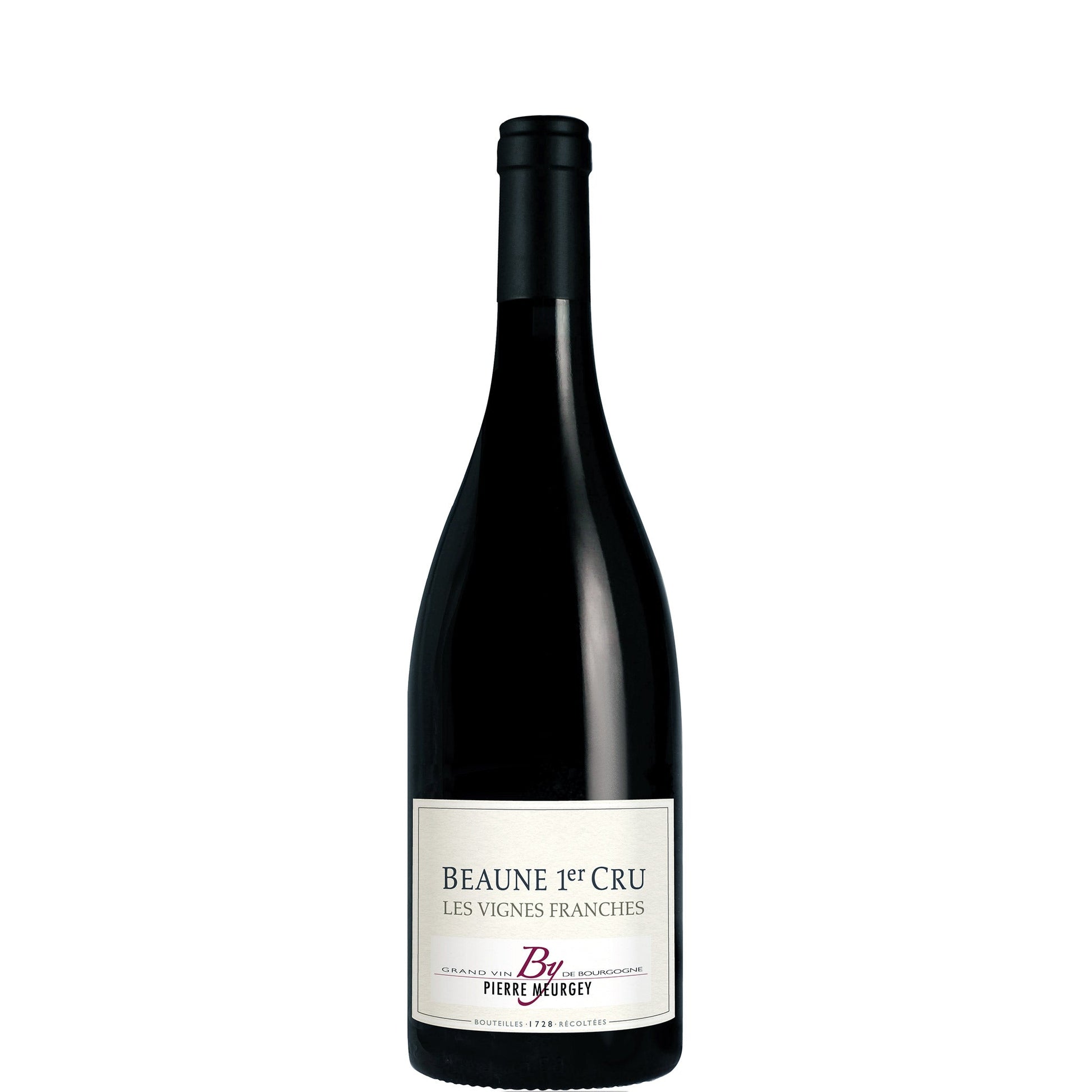
Beaune Premier Cru, Les Vignes Franches, Pierre Meurgey, 2017
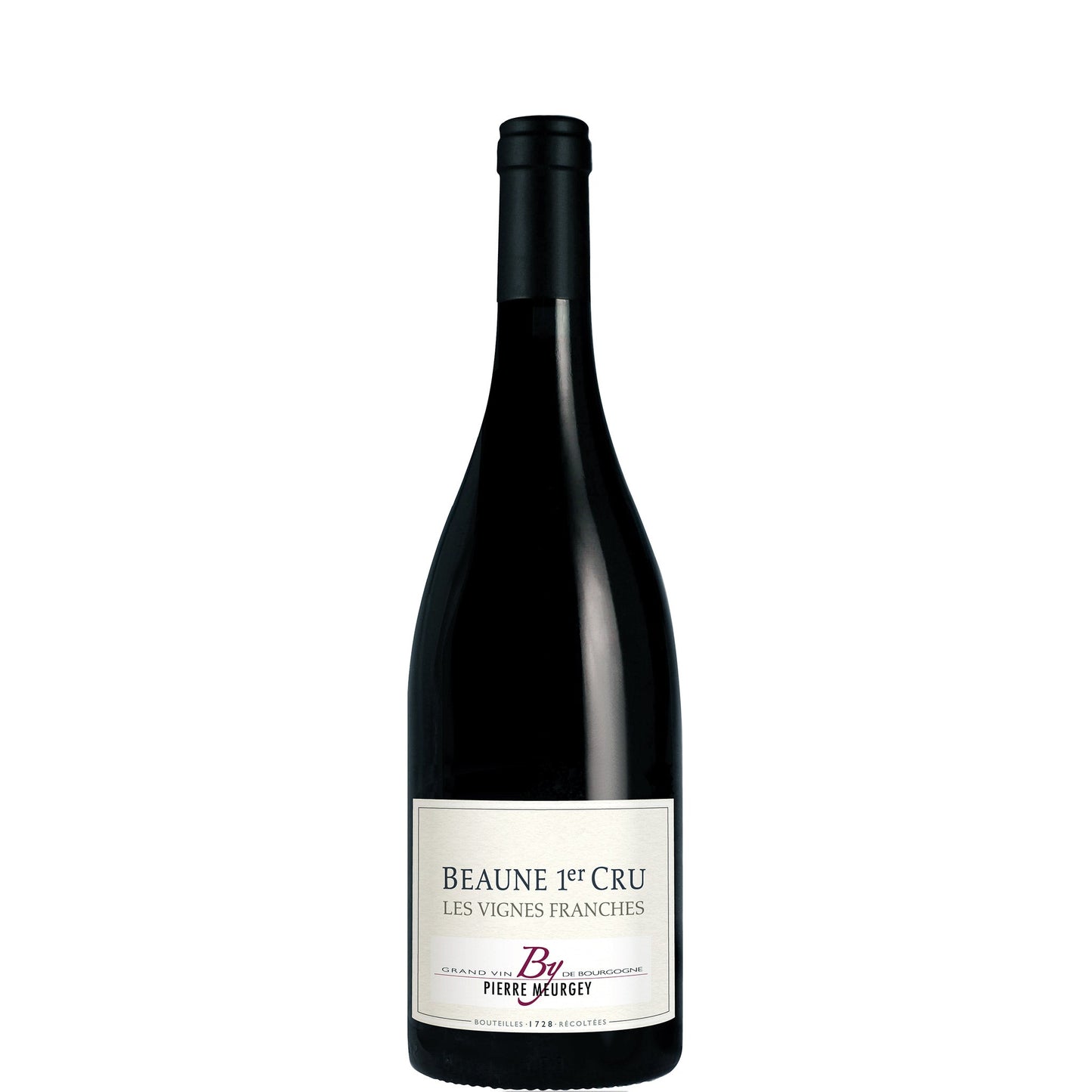
Beaune Premier Cru, Les Vignes Franches, Pierre Meurgey, 2017
- 75cl
- 13.5%
- Red Still
- Pinot Noir
Couldn't load pickup availability

Optimal drinking window: Now - 2032
About Beaune Premier Cru, Les Vignes Franches, Pierre Meurgey, 2017
Pierre Meurgey crafts this Premier Cru from the well-sited Les Vignes Franches vineyard in Beaune, where the combination of limestone-rich soils and careful winemaking produces wines of real finesse. This 2017 shows the vintage's combination of freshness and depth beautifully.
We find graphite minerality threading through layers of fresh red fruit, with that lovely lithe quality that makes good Beaune so appealing. The wine has genuine sustain and detail without losing its essential charm.
Currently showing beautiful primary fruit character with well-integrated tannins, this wine is in a lovely drinking phase. Over the next 3-4 years, expect the red fruit to deepen slightly whilst secondary notes of undergrowth and dried flowers emerge. The mineral graphite character will become more pronounced, adding complexity to the core fruit. The wine should reach its peak around 2030-2032, maintaining its elegance whilst gaining depth and complexity, before beginning a graceful decline around 2035.
What the critics say:
"Some graphite and attractive fresh red fruit on offer here. On the palate, a swathe of plush and supple fruit. Very fresh, lithe and detailed. This has great sustain and depth. Drink on release."
Tasting Notes
AppearanceMedium ruby with a bright, clear rim showing good concentration.
NoseFresh red cherry and raspberry immediately catch your attention, followed by that distinctive graphite minerality that defines this climat. There's a lovely floral lift underneath, with subtle hints of forest floor and dried herbs adding complexity without overwhelming the pure fruit expression.
PalateThe attack is supple and inviting, with that plush red fruit character flowing across the palate. What impresses most is the wine's lithe precision - it has real depth and sustain without any heaviness. The tannins are fine-grained and well-integrated, providing structure without dominating the elegant fruit character.
FinishLong and detailed, with the mineral graphite character returning to complement the persistent red fruit.
Overall impressionA beautifully balanced Beaune that showcases both immediate charm and serious underlying structure.
Food Pairings
In Beaune, this style of wine would traditionally accompany coq au vin made with the same local Pinot Noir, or perhaps a classic boeuf bourguignon where the wine's mineral edge cuts through the rich, wine-braised beef. Local chefs might serve it with roasted guinea fowl or pigeon, where the wine's elegant structure complements the gamey flavours without overwhelming them. The Burgundian love affair with escargots in garlic butter also works beautifully, as the wine's acidity and mineral character provide a perfect counterpoint to the rich, herby preparation.
We think this wine would go well with
Serve at 16-17°C to allow the wine's elegant structure to show properly whilst maintaining the fresh fruit character. A brief decant of 30 minutes will help integrate the elements, though it's not strictly necessary. Use Burgundy bowls rather than Bordeaux glasses - the wider bowl will concentrate the delicate aromatics and allow the wine's mineral precision to shine through.
Les Vignes Franches sits on the mid-slope of Beaune's premier cru vineyards, with limestone-rich soils that provide excellent drainage while retaining enough clay to give structure and depth. The east-southeast exposure ensures good morning sun whilst protecting against harsh afternoon heat. These soils contribute the mineral graphite character that defines this cuvée, whilst the elevation adds freshness and precision to the fruit.
Beaune Premier Cru represents some of Burgundy's most reliable and food-friendly reds. The appellation encompasses 42 premier cru climats around the historic wine town, typically producing wines that are more approachable than Gevrey or Vosne-Romanée but with greater depth than village-level Burgundy. These wines offer an excellent entry point into serious Burgundy, combining elegance with enough structure for modest cellaring.
The 2017 vintage in Burgundy arrived after a series of weather curveballs that kept growers on their toes from spring through harvest. April frosts dealt a brutal blow across the Côte d'Or, slashing yields by up to 60% in some villages, whilst those who escaped relatively unscathed found themselves with healthier vines and more concentrated fruit. The summer that followed was warm and dry, ripening what remained on the vine beautifully, and harvest began early in late August under ideal conditions.
What emerged from this challenging year surprises us still: wines of remarkable purity and focus, where the reduced yields translated directly into intensity without heaviness. The Pinot Noirs show beautiful red fruit clarity with firm but approachable tannins, whilst the Chardonnays display precision and mineral backbone that speaks clearly of their terroir. We find the whites drinking beautifully now and will continue to reward patience over the next decade, whilst the reds are starting to show their considerable charm and should peak between now and 2030.
FAQs
What does this wine taste like?
Fresh and elegant with red cherry and raspberry fruit, complemented by a distinctive graphite minerality. It's supple in texture but has impressive depth and a long, detailed finish.
When should I drink this wine?
It's drinking beautifully now and will continue to develop and improve until around 2032. The sweet spot will likely be 2030-2032 when the fruit and secondary complexity are perfectly balanced.
What food pairs well with this wine?
Classic Burgundian dishes like coq au vin or boeuf bourguignon are perfect, but it also works beautifully with roasted poultry, game birds, or mushroom-based dishes. The mineral character makes it excellent with soft cheeses too.
How should I serve this wine?
Serve at 16-17°C in Burgundy glasses to concentrate the aromatics. A brief 30-minute decant will help integrate the elements, though it's not essential.
Is this wine worth cellaring?
Absolutely. While drinking well now, it has the structure and depth to reward cellaring for 5-10 years, developing greater complexity whilst maintaining its elegant character.
How does this compare to other Beaune Premier Cru?
This shows the classic Beaune combination of elegance and approachability, but with more mineral precision than many. It's more refined than some of the richer premier crus whilst having more depth than typical village-level wines.
Explore related wines


What are you looking for tonight? Tell me the occasion, a grape, a region — or just try a suggestion below.
Your recommendations will appear here.
-
-
Speak to one of our Wine Gurus
Speak to a Wine GuruWith years of experience, our team can help you with all your wine buying and selling needs