

Barbera d'Alba, Anna Maria Abbona, 2023
Barbera d'Alba, Anna Maria Abbona, 2023
- 75cl
- 13%
- Red Still
- Barbera
Couldn't load pickup availability

Optimal drinking window: 2026 - 2030
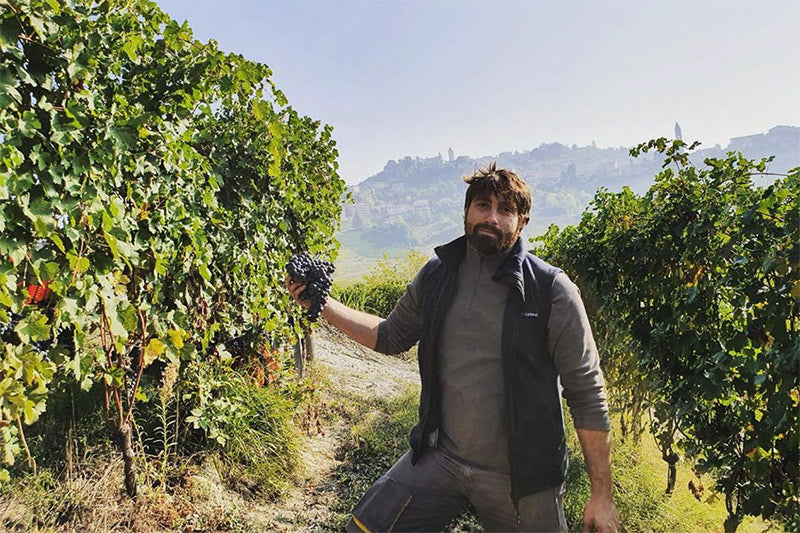
Anna Maria Abbona crafts Barbera d'Alba that shows why this grape deserves more than its 'everyday wine' reputation. From vineyards in Dogliani, her 2023 captures everything we love about Barbera: bright cherry fruit, natural acidity that makes your mouth water, and enough structure to handle proper food without the oak-heavy approach that kills the grape's natural charm.
This is Barbera as it should be: fresh, lively, and utterly food-friendly. The 2023 vintage brings out the grape's signature violet perfume alongside red berry fruit, with tannins so well-integrated they feel like silk. Ready now and drinking beautifully until 2030, though we suspect most bottles won't last that long once you taste how well it handles everything from pasta to roast chicken.
This 2023 is drinking beautifully now in its primary fruit phase, with bright cherry and raspberry at the forefront. Over the next two years, expect the violet notes to become more pronounced while the fruit integrates further with the subtle earthiness. The wine will plateau around 2028-2029, maintaining its freshness while developing more complex herbal and spice notes. After 2030, the primary fruit will begin to fade, though the wine will remain pleasant for casual drinking.
Tasting Notes
AppearanceBright ruby red with purple highlights, showing the wine's youthful vibrancy.
NoseImmediately appealing with fresh red cherry and violet perfume leading the way. There's a lovely floral lift with hints of red berries and a subtle earthiness that speaks to the Dogliani terroir. The aromatics are clean and focused without any heavy oak interference.
PalateBright and lively on entry with that signature Barbera acidity making your mouth water in the best possible way. The cherry fruit carries through beautifully, supported by silky tannins that provide structure without weight. There's real elegance here, with enough body to handle food but never losing its fresh, vibrant character.
FinishClean and persistent with lingering red fruit and a hint of violet returning on the close.
Overall impressionThis is Barbera showing exactly why it deserves serious attention as a food wine.
Food Pairings
In Piemonte, Barbera is the everyday wine that accompanies agnolotti del plin (tiny meat-filled pasta parcels) and brasato al Barbera (beef braised in the wine itself). The locals also pair it with vitello tonnato, the curious but brilliant combination of cold roast veal with tuna and caper sauce. Barbera's acidity cuts through rich regional dishes like bagna cauda (warm anchovy and garlic dip) and the various salami and cheeses of the region, particularly toma and robiola.
We think this wine would go well with
Serve lightly chilled at 14-16°C to emphasise the fresh fruit character. No need to decant unless you want to show off, though 30 minutes of breathing won't hurt. Use a medium-sized Burgundy bowl rather than a large Bordeaux glass to concentrate the delicate aromatics.
The vineyards sit in the Langhe hills around Dogliani, where calcareous clay soils and south-facing slopes provide ideal conditions for Barbera. The altitude of 250-400 metres ensures good diurnal temperature variation, preserving the grape's natural acidity while allowing full phenolic ripeness. These soils are less tannic than Barolo's limestone, perfect for Barbera's softer, more approachable style.
Barbera d'Alba DOC covers a large area of the Langhe, allowing producers to blend fruit from different communes or focus on specific sites. The rules are fairly relaxed compared to Barolo or Barbaresco, permitting oak ageing but not requiring it. This flexibility has allowed quality-focused producers like Abbona to show Barbera's true character rather than masking it with heavy extraction or over-oaking.
The 2023 growing season in Piemonte delivered exactly the sort of weather that keeps growers awake at night, then rewards them handsomely come harvest. A challenging spring gave way to a summer that alternated between periods of intense heat and timely rainfall, testing vine resilience across the Langhe and Roero. The key moment came in late summer when cooler nights returned just as the grapes approached ripeness, allowing for that crucial slow final phase that separates good vintages from great ones in this corner of Italy.
What emerged from the cellars shows remarkable consistency across varieties, with Nebbiolo displaying the sort of lifted aromatics and structured tannins that suggest serious ageability. The Barberas show more immediate charm than usual whilst retaining their characteristic brightness, and we're particularly impressed by how the Dolcettos have turned out – they've got real depth without losing their gulpable appeal. Most 2023s are drinking beautifully now but the serious Barolos and Barbarescos will reward patience, likely hitting their stride around 2028 and drinking well until 2040 or beyond.
FAQs
What does this Barbera taste like?
Fresh and bright with cherry and raspberry fruit, violet perfume, and zippy acidity. It's medium-bodied with silky tannins that make it very approachable.
When should I drink this wine?
It's ready now and will be at its best through 2030. This is a wine to enjoy in its youth while the fruit is vibrant and fresh.
What food pairs well with Barbera d'Alba?
Barbera is brilliant with pasta dishes, especially those with tomato-based sauces. It also works beautifully with roast chicken, charcuterie, and aged cheeses. The acidity makes it perfect for rich, savoury dishes.
Should I serve this wine chilled?
Yes, serve it lightly chilled at 14-16°C. This enhances the fresh fruit character and makes the wine even more refreshing. No need to decant unless you want to aerate it briefly.
Is this wine worth cellaring?
Not really. While it will keep until 2030, Barbera is best enjoyed for its youthful charm rather than aged complexity. Buy it to drink and enjoy rather than store.
How does this compare to other Italian reds?
Barbera is much lighter and more acidic than Barolo or Chianti Classico, making it more food-friendly and easier to drink. Think of it as Italy's answer to Beaujolais, but with more structure.



What are you looking for tonight? Tell me the occasion, a grape, a region — or just try a suggestion below.
Your recommendations will appear here.
-
-
Speak to one of our Wine Gurus
Speak to a Wine GuruWith years of experience, our team can help you with all your wine buying and selling needs